Why Choose WPC Fence for Your Outdoor Needs?
When considering materials for outdoor fencing, the choice of Wpc Fence stands out. This composite material blends wood fibers and plastic. It offers a unique balance of strength and aesthetic appeal. Many homeowners seek reliable options that can withstand varying weather conditions. WPC Fence has gained popularity for its durability and low maintenance needs.
With WPC Fence, you experience modern technology merged with classic design. Unlike traditional wood, it resists rot and pests. This longevity means fewer replacements or repairs over time. However, some may question its authenticity compared to natural wood. While WPC Fence lacks the grain patterns of wood, it compensates with stability. This makes it a practical choice today.
Choosing the right fencing option can feel overwhelming. WPC Fence offers a sustainable solution that looks attractive in any setting. Its versatility allows customization to meet different outdoor needs. Reflecting on your preferences will lead you to a decision that enhances your outdoor space.
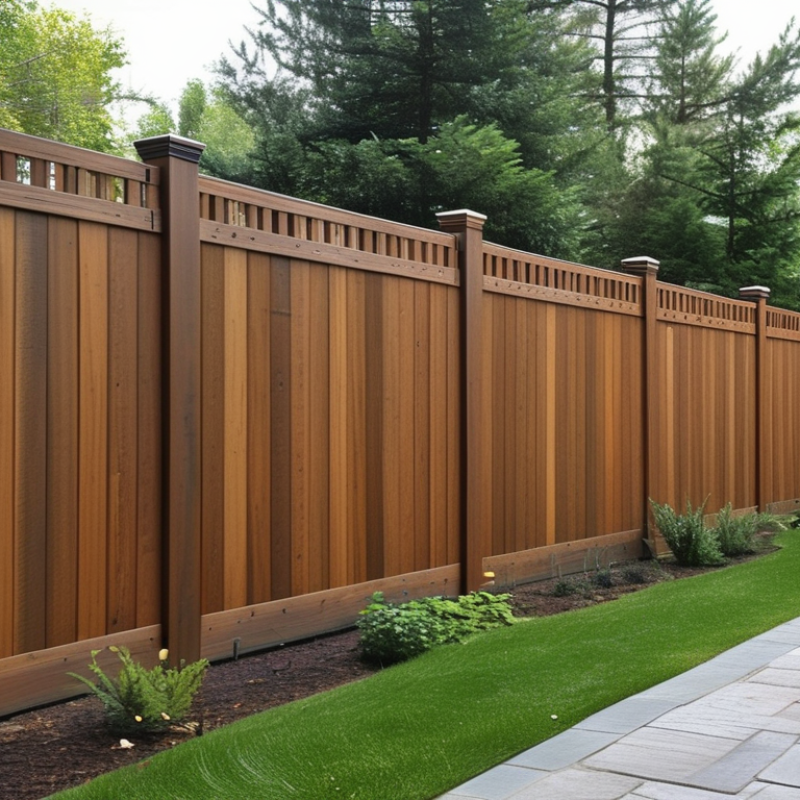
Benefits of WPC Fence: Durability and Weather Resistance
When considering outdoor fencing, WPC (Wood Plastic Composite) material stands out for its durability and weather resistance. Unlike traditional wood, WPC is engineered to withstand the harsh elements. Its unique composition resists rotting, warping, and moisture damage, allowing for a longer lifespan. This means less time and money spent on repairs or replacements.
WPC fences retain their aesthetic appeal year-round. They come in various designs and colors, maintaining their look despite exposure to sun, rain, and snow. However, while they rarely fade, some surface scratches might occur over time. Regular cleaning can help maintain their beauty. It's essential to balance expectations with maintenance needs.
Another significant advantage is their resistance to pests. Unlike wood, WPC does not attract termites or woodborers. This feature saves homeowners from the stress of pest infestations. Still, potential buyers should investigate product specifics. Some WPC options may not perform equally in all climates. Conducting thorough research is key to making an informed choice.
Cost-Effectiveness of WPC Fence vs. Traditional Materials
Choosing WPC (Wood-Plastic Composite) fencing can be a smart investment for many homeowners. When comparing costs, WPC offers significant advantages over traditional materials like wood and vinyl. According to industry reports, the initial cost of WPC fences can be about 10-20% higher than their wood counterparts. However, the long-term savings are notable. WPC fences require less maintenance and last longer, reducing replacement and repair costs.
The durability of WPC is impressive. It is resistant to rot, corrosion, and insect damage. This resilience means less frequent repairs. In contrast, natural wood often requires annual treatments. A study by the American Fence Association highlights that homeowners can save an average of $500 to $1,000 in maintenance over a decade with WPC. This data suggests that WPC fences are indeed a cost-effective choice.
Environmental considerations also come into play. WPC is made from recycled materials, making it a greener option. A report by the Wood-Plastic Composite Market indicates that the demand for eco-friendly products is on the rise. Many consumers prefer WPC for its sustainable qualities. Yet, it’s crucial to evaluate all options. While WPC is a strong contender, some may still prefer the aesthetic of natural wood. Balancing cost, maintenance, and visual appeal can lead to different conclusions for each homeowner.
Why Choose WPC Fence for Your Outdoor Needs?
This chart compares the cost-effectiveness of WPC fences versus traditional materials such as wood and vinyl over a period of 10 years, including maintenance and installation costs.
Environmental Impact of WPC Fencing: Sustainability Factors
WPC fencing, made from wood-plastic composites, stands out for its environmental benefits. Unlike traditional wood, WPC minimizes deforestation. It uses recycled materials, significantly reducing waste. This approach lessens the carbon footprint associated with production. Over time, WPC products show durability, decreasing the need for replacements.
Tips: Consider local recycling options. Look for suppliers who prioritize sustainable practices. This ensures your choice of WPC is genuinely eco-friendly.
Moreover, WPC fencing requires little maintenance, which saves resources. Traditional fences often need painting or sealing. In contrast, WPC maintains its look with basic cleaning. However, it’s essential to think critically about the production process. Not all WPC products have the same environmental impact. Researching the manufacturer's practices is crucial.
Tips: Check for certifications that prove sustainability. Steer clear of products that lack transparency in sourcing. Being informed is key to making responsible choices.
Maintenance Requirements and Longevity of WPC Fencing
When it comes to outdoor fencing, WPC (Wood-Plastic Composite) fits the bill for many homeowners. Its exceptional resistance to rotting, warping, and fading makes it a favorable choice. Reports indicate that WPC fencing can last over 25 years with proper installation and minimal maintenance. This longevity is appealing when compared to traditional wood fences, which typically last 10 to 15 years.
Maintaining WPC fencing is straightforward yet requires attention. Regular cleaning with soap and water suffices to keep it looking fresh. However, failing to remove dirt or mildew can lead to discoloration. A study from the American Fence Association points out that WPC materials can withstand extreme weather conditions, making them desirable in diverse climates.
Despite its advantages, some users report that WPC may still require occasional repairs for cracks or scratches. These imperfections can detract from its aesthetic appeal. Balancing maintenance with aesthetics is essential for long-term enjoyment. In understanding these factors, homeowners can more effectively choose WPC fencing for their outdoor spaces.
Aesthetic Versatility: Design Options for Outdoor Spaces
When considering outdoor spaces, aesthetic versatility is key. WPC fences offer a variety of design options. They can mimic the look of wood but without the maintenance. Choose from various colors and textures to fit your style.
Imagine a backyard with a stylish WPC fence. It can enhance the natural beauty of your garden. WPC fences can be sleek and modern or rustic and charming. This versatility allows you to personalize your outdoor area. You can create a serene retreat or an entertaining space.
While WPC fences are durable, they do come with considerations. Exposure to sunlight can fade colors over time. Some designs may require occasional cleaning to maintain their look. Each choice has its pros and cons. Understanding this can lead to informed decisions tailored to your needs.
Why Choose WPC Fence for Your Outdoor Needs? - Aesthetic Versatility: Design Options for Outdoor Spaces
| Design Type | Color Options | Texture Finishes | Style Advantages | Suitability |
| Classic Privacy Fence | Brown, Grey, White | Smooth, Wood-Grain | Stylish and Secure | Residential, Commercial |
| Picket Fence | White, Pastel Colors | Smooth, Textured | Charming and Classic | Gardens, Yards |
| Ranch Rail Fence | Natural, Earth Tones | Rough, Rustic | Open and Airy | Farms, Large Properties |
| Modern Vertical Fence | Charcoal, White | Sleek, Smooth | Contemporary and Stylish | Urban Environments |
| Lattice Topper Fence | Natural Brown, Beige | Decorative, Smooth | Elegant and Decorative | Backyards, Gardens |