What Is a Cable Harness and How Does It Work?
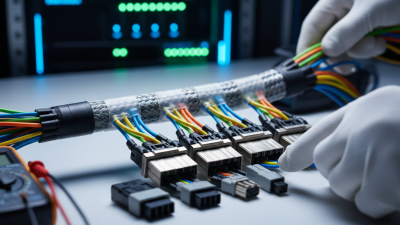
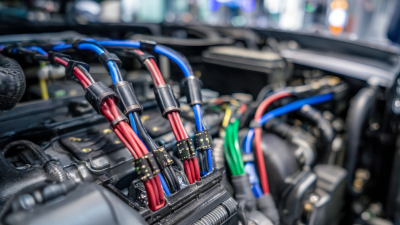
A cable harness is a structured assembly of wires, terminals, connectors, sleeves, and protective coverings. It organizes electrical pathways into one manageable unit. Instead of routing separate wires through a machine, engineers group them according to function and location. This approach saves space, reduces installation time, and makes maintenance more practical. In a vehicle, for example, a harness may carry power to headlights, signals from sensors, and data between control modules. Small details matter.
The harness works by creating controlled connections between electrical components. Each wire carries a defined current or signal, while terminals and connectors maintain contact at joining points. Insulation prevents unwanted contact, and braided sleeving or corrugated tubing can protect conductors from heat, abrasion, moisture, and vibration. During production, technicians typically cut wires, strip insulation, attach terminals, assemble connectors, and test continuity. A single loose crimp can interrupt an entire system. That risk is easy to underestimate.
Designers also consider wire length, bend radius, current capacity, electromagnetic interference, and service access. Automotive, aerospace, medical, and industrial systems may require different materials and testing methods. In real applications, no harness design is perfect. A thicker protective cover improves durability, but it can increase weight and reduce flexibility. A shorter route saves material, yet may create sharper bends. These trade-offs explain why cable harness design requires more than neat wiring. It combines electrical knowledge, mechanical planning, manufacturing discipline, and careful inspection. Understanding how a harness works makes complex equipment easier to troubleshoot, improve, and trust.
Cable Harness: Definition, Purpose, and Core Components
A cable harness is an organized group of wires, terminals, and protective coverings. It carries power and signals between electrical devices. Unlike loose wires, a harness follows a planned route and uses fixed connection points. This arrangement reduces clutter inside equipment and makes installation more consistent.
Its purpose is practical.
A harness can protect conductors from vibration, heat, moisture, and abrasion. It also helps technicians identify circuits during inspection or repair. Core components include insulated wires, connectors, terminals, seals, clips, and protective sleeving. Each wire carries a specific current or signal. Connector housings keep terminals aligned and prevent incorrect mating. Seals help block dust and water at exposed joints.
Good harness design starts with the working environment.
An engineer checks voltage, current, temperature, bend radius, and available space. The harness may pass beside a motor, through a narrow panel, or around a sharp metal edge. Protective tape or conduit can reduce damage in these areas. Correct terminal crimping matters too. A loose crimp may create resistance, heat, and intermittent faults.
Testing usually includes continuity checks, insulation tests, and visual inspection.
A neat harness can still fail. That is an uncomfortable detail. Routing, labeling, and strain relief deserve repeated review, especially when production conditions differ from the original design. In practice, small changes in length or connector position can affect assembly quality.
How Wires, Terminals, Connectors, and Sleeves Work Together
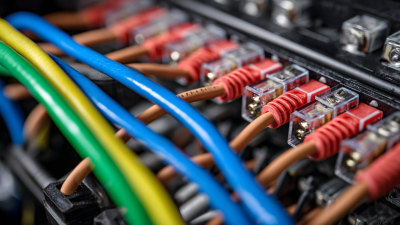
A cable harness is an organized group of wires that carries power and signals between electrical components. Each wire follows a planned route, rather than hanging loosely inside equipment. Wires carry current, while terminals create secure contact at their ends. Connectors join separate harness sections and allow controlled installation or removal. Sleeves bundle the wires, reduce abrasion, and help protect them from heat, moisture, and movement.
In field inspections, loose terminals often cause more trouble than damaged wires. A connector may look correctly seated but still have a weak internal contact. Technicians should check terminal crimping, connector locks, wire labels, and bend radius. The sleeve should fit firmly without squeezing the wires. Small details matter. A harness that is too tight may fail after repeated vibration. I have also seen neat routing hide poor strain relief, which is easy to miss during a quick inspection.
Tips: Match each wire size with its expected current and temperature. Keep signal wires away from strong power paths when interference may occur. Mark both ends before assembly. Test continuity after crimping, then inspect the harness under gentle movement. Do not rely only on visual checks. A clean appearance is helpful, but it does not prove reliable electrical contact.
The Step-by-Step Process of Building a Cable Harness
A cable harness is a grouped set of wires, terminals, connectors, and protective materials. Each part has a defined position and purpose. Its wires carry power or signals between components, while the outer covering protects them from heat, movement, and abrasion.
Building a harness starts with an approved drawing and a parts list. An engineer checks current ratings, wire sizes, connector locations, and routing limits. Length matters. A few extra centimeters may prevent tension during installation. Technicians then cut each wire with calibrated equipment and strip the insulation without damaging the conductor. They crimp terminals using the specified tool and inspect the joint under good lighting. The crimp should hold firmly, but visual inspection alone can miss hidden weakness.
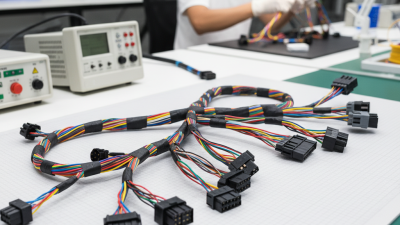
Next, workers arrange the wires on a forming board that matches the final shape. They add sleeves, clips, seals, and labels at measured locations. Connectors are inserted until each terminal locks into place. In practice, the first layout is rarely perfect. A wire may bend too sharply, or a label may sit behind a clip. That requires revision. A continuity test checks every circuit path, while an insulation test helps detect unwanted contact. Technicians also verify connector locking, dimensions, polarity, and documentation. If a test fails, the harness is isolated, repaired, and tested again before release. Even small routing changes should be recorded for traceability.
Common Harness Types, Applications, and Selection Factors
A cable harness is an organized group of wires built to connect electrical components. It combines conductors, terminals, seals, clips, and protective sleeving. Instead of routing every wire separately, technicians install one prepared assembly. This reduces clutter and supports repeatable connections during production and service. Inside the harness, each conductor carries power or signals between defined points. Terminals lock into housings, while insulation prevents unwanted contact. Small details matter.
Simple point-to-point harnesses suit control panels and compact equipment. Branching harnesses serve vehicles, industrial machines, and battery systems. Ribbon harnesses keep conductors parallel in computers and instrumentation. High-flex designs use fine-stranded wire and durable jackets for moving assemblies. Sealed harnesses protect connections from moisture, dust, and vibration. Medical, aerospace, and outdoor equipment often require stricter traceability and testing. A harness may look similar externally but perform very differently.
Selection starts with voltage, current, temperature, bend radius, and installation space. Engineers should verify terminal ratings, insulation materials, and connector retention. Signal applications may need shielding against electromagnetic interference. Power circuits require suitable conductor size and reliable crimp quality. Measure the route carefully. A few extra millimeters can prevent tension, but excess length may create abrasion points. In practice, specifications are sometimes incomplete. That risk deserves attention before production. Prototype testing, continuity checks, pull tests, and visual inspection can reveal defects that drawings miss.
What Is a Cable Harness and How Does It Work?
Typical Conductor Gauge by Harness Application
Cable harnesses combine wires, terminals, connectors, protective coverings, and identification features into an organized assembly. The chart shows representative conductor gauges commonly used in different applications. Lower AWG values indicate larger conductors for higher current capacity; actual selection depends on current, voltage drop, temperature, flexibility, insulation, routing, and environmental requirements.