What is Weatherproof Tape and How Does It Work?
Weatherproof Tape is an essential tool for various repair and construction projects. This innovative tape provides a reliable barrier against moisture and harsh weather conditions. Its versatility makes it suitable for both outdoor and indoor use.
Many homeowners and professionals alike trust Weatherproof Tape due to its strong adhesion and durability. It sticks to a variety of surfaces, ensuring protection where it is most needed. A well-applied tape can prevent leaks and keep materials intact. However, there can be challenges in application. Incorrect surface preparation may lead to failure in adhesion.
Understanding how Weatherproof Tape works can improve its effectiveness. The adhesive layer forms a tight bond, creating a seal against the elements. Users must apply it correctly to maximize its benefits. Despite its popularity, improper use remains a common mistake. Learning from experiences can help achieve better results in future projects.
What is Weatherproof Tape? A Comprehensive Overview
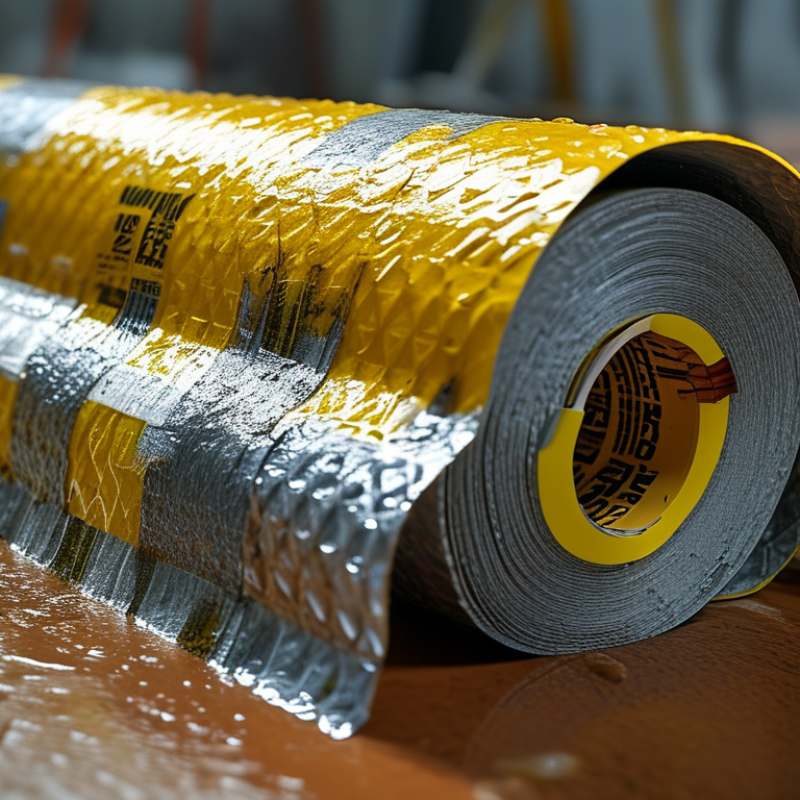
Weatherproof tape is a versatile and essential tool for both indoor and outdoor projects. It is designed to withstand extreme weather conditions, making it ideal for repairs and sealing. Unlike regular tape, weatherproof tape is resistant to moisture, UV rays, and temperature fluctuations. This durability allows it to maintain its adhesive properties even in the harshest environments.
When using weatherproof tape, surface preparation is crucial. Ensure surfaces are clean and dry to achieve optimal adhesion. For best results, apply the tape firmly with even pressure. This helps prevent air bubbles, which can compromise the seal.
**Tips:** Keep weatherproof tape in a cool, dry place for better longevity. If the tape loses its adhesive over time, consider cleaning the surface before reapplication. Test the tape on a small area first to ensure compatibility with your materials. It may require a more robust application for uneven surfaces, so don’t overlook this step. While weatherproof tape can be a quick fix, reflect on the permanence of your repairs and consider professional solutions for critical applications.
The Composition and Materials Used in Weatherproof Tape
Weatherproof tape is designed to withstand the elements while providing strong adhesion. Its core composition includes a blend of materials that contribute to its durability. This tape often features a robust backing made from polyethylene or vinyl. These materials excel in resisting moisture, UV rays, and extreme temperatures.
The adhesive used in weatherproof tape is equally important. It commonly includes a high-performance rubber or acrylic base. This combination ensures a secure bond, even in challenging conditions. Moreover, additives can enhance the tape's flexibility and resistance to cracking. This versatility allows the tape to conform to irregular surfaces and maintain a seal.
While weatherproof tape claims to offer long-lasting durability, its effectiveness can vary. Surface preparation plays a critical role in ensuring optimal adhesion. Not all surfaces are suitable for this tape. For instance, oily or dusty materials may hinder performance. Users should consistently check the tape for signs of wear or deterioration, especially in harsh climates.
How Weatherproof Tape Provides Protection Against Environmental Elements
Weatherproof tape is designed to shield materials from various environmental challenges. With the right adhesive and backing, it protects against moisture, UV rays, and temperature fluctuations. Reports indicate that weatherproof tape can withstand temperatures from -20°F to 200°F, making it suitable for diverse climates.
This tape helps prevent water intrusion, which can lead to mold and structural damage. According to industry data, buildings exposed to moisture show a 25% increase in maintenance costs. Moreover, UV-resistant options limit degradation from sunlight, crucial for outdoor use. Each role of tape contributes significantly to extending the lifespan of repairs and installations.
However, not all weatherproof tapes are created equal. Some might lose adhesion after exposure to extreme conditions. Testing under real-life conditions is essential to ensure reliability. The materials used in production can affect overall performance, highlighting the need for thorough evaluation before use. Users should also consider the surface texture, as smooth and porous surfaces react differently to adhesion.
Application Techniques for Effective Use of Weatherproof Tape
Weatherproof tape is an essential tool in various applications, from home repairs to industrial uses. To maximize its effectiveness, proper application techniques are vital. Before applying tape, ensure the surface is clean and dry. Dust, oil, or moisture can prevent a strong bond. In fact, studies show that a properly prepared surface increases adhesive effectiveness by up to 50%.
When applying weatherproof tape, press it down firmly to eliminate air bubbles. Uneven surfaces may require additional techniques. For example, cut small slits along the edges to help the tape adhere better, particularly on textured surfaces. According to industry reports, tapes that are applied with proper techniques last 30% longer than those that are not.
Tips: Always keep an extra roll on hand. In case of repair needs, quick access saves time. Additionally, consider the environmental conditions. Extreme temperatures can affect tape performance. Some tapes perform better in cold weather while others excel in high heat. Knowing these differences is crucial for long-term effectiveness.
Performance Standards and Industry Certifications for Weatherproof Tape
When exploring weatherproof tape, performance standards and industry certifications become essential. These criteria ensure that the tape can withstand various environmental conditions. Factors like temperature, moisture, and UV resistance are critical. Tests often simulate harsh climates to validate the tape's durability over time.
In the industry, tapes are subjected to certifications such as ASTM and ISO standards. These certifications assess adhesion, elasticity, and temperature limits. Meeting these standards helps users trust the product's reliability. However, not all products pass these rigorous tests. Some tapes may lose effectiveness under extreme conditions. This highlights the importance of evaluation and ongoing research in material development.
Understanding these aspects allows consumers to make informed choices. A well-certified tape provides peace of mind for various applications. Yet, the search for perfect performance continues to be a challenge. Users should consider performance in real-world conditions, as laboratory results may not always reflect actual usage. Keeping these factors in mind fosters better decisions for weatherproofing needs.
What is Weatherproof Tape and How Does It Work?
| Property | Value | Performance Standards | Industry Certifications |
| Adhesion Strength | 15-30 N/cm | ASTM D3330 | UL 746C |
| Temperature Resistance | -20°C to 80°C | ASTM D4496 | ISO 7345 |
| Water Resistance | 24 hours | ASTM D570 | ASTM D3349 |
| UV Resistance | Up to 1 year | ASTM G154 | ISO 4892-2 |
| Thickness | 0.15 mm - 0.50 mm | ASTM D3652 | RoHS Compliant |