Top 10 Photovoltaic Bracket Types for Solar Installations?
The global demand for solar energy has surged in recent years, resulting in a growing need for effective mounting solutions. Photovoltaic Brackets play a crucial role in solar installations, ensuring stability and optimal energy capture. A recent report from the International Renewable Energy Agency (IRENA) noted that solar power capacity has increased by 24% globally in the last year alone. This highlights the importance of reliable support systems like photovoltaic brackets.
Dr. Emily Tan, a renowned expert in solar infrastructure, stated, "The right photovoltaic bracket can significantly enhance the longevity and efficiency of solar panels." This insight underscores the necessity of choosing the appropriate type for different environments and applications. However, the extensive variety of available photovoltaic brackets can be overwhelming, making it essential to understand their unique features and limitations.
While manufacturers promote their products, real-world performance may differ. Factors like wind loads, local climate, and installation conditions can impact the effectiveness of brackets. Engineers and installers must critically assess these variables. Investing time in research and analysis is vital. Quality brackets should not be an afterthought in solar projects. They are the foundation that supports the advancement of renewable energy.
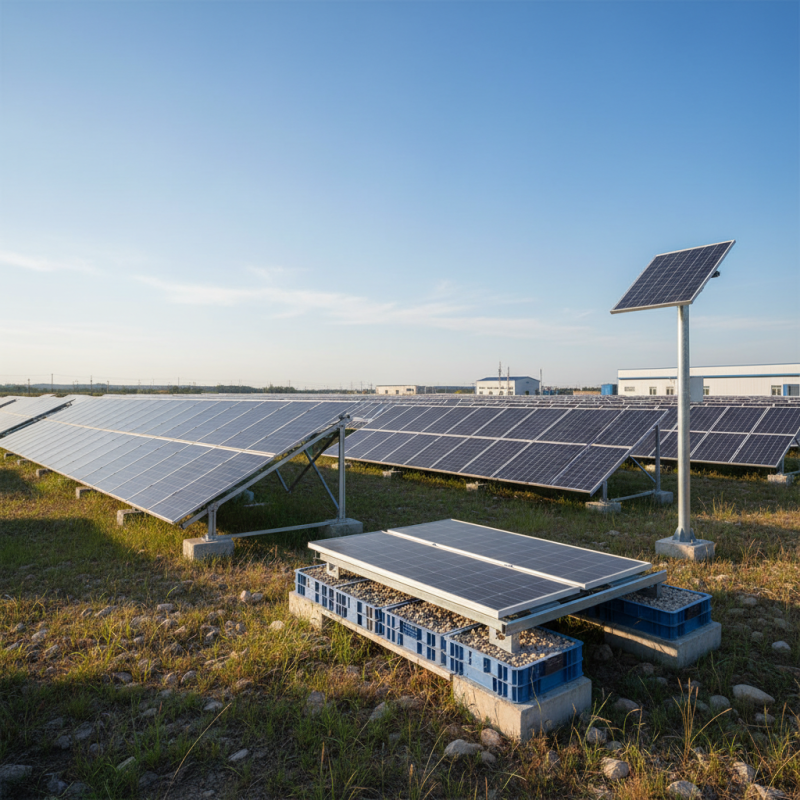
Overview of Photovoltaic Bracket Types in Solar Installations
Choosing the right photovoltaic bracket is essential for any solar installation. Brackets support solar panels, ensuring they are secured and positioned correctly. Different types of brackets include fixed, adjustable, and tracking systems. Fixed brackets are simple and cost-effective. They are often used in residential installations. Adjustable brackets offer flexibility, allowing for changes in angle and tilt. This can enhance energy collection throughout the day.
Tracking systems represent advanced technology. They follow the sun’s path, maximizing exposure. However, they are more complex and expensive. Some users find maintenance challenging. Each bracket type has unique attributes influencing performance and durability. Environmental factors like wind and snow load affect bracket choice.
There is no one-size-fits-all solution. Homeowners and installers must assess local conditions. Installation ease should also be considered. A poorly chosen bracket can lead to panel misalignment or damage. Cost, installation, and efficiency require careful evaluation to achieve optimal results. Thus, thoughtful selection is key to a successful solar setup.
Top 10 Photovoltaic Bracket Types for Solar Installations
Fixed Mounting Systems: Advantages and Applications
Fixed mounting systems offer a reliable solution for solar installations. They are typically designed to hold solar panels in a stationary position. This makes them suitable for various terrains. Flat roofs, sloped surfaces, and even desert landscapes can accommodate these systems. The simplicity of fixed mounts reduces installation time. However, they do have limitations regarding angle adjustments.
One primary advantage of fixed systems is their cost-effectiveness. They generally require less material and labor than other types. Maintenance is also straightforward, which is appealing for many users. Yet, the energy output may not be optimized in all conditions. Sunlight intensity varies throughout the year, impacting efficiency. This inconsistency prompts a reevaluation of their effectiveness.
While fixed mounting systems are sturdy and dependable, they may not be suitable for every situation. In areas with frequent storms or heavy snowfall, alternative mounting types might be more appropriate. Users should carefully consider local conditions before deciding. Analyzing specific needs can lead to improved performance and satisfaction.
Adjustable and Tilt Mounting Systems Explained
When considering solar installations, adjustable and tilt mounting systems are important. These systems allow panels to capture maximum sunlight throughout the day. According to the National Renewable Energy Laboratory, solar panels can produce up to 25% more energy when tilted correctly. This increase can have a significant impact on overall system efficiency.
Adjustable systems offer flexibility. They enable installers to set angles based on seasonal changes. Research suggests that adjusting the tilt seasonally can yield performance enhancements. However, routine adjustments may pose challenges, as maintenance can be overlooked. Some systems are easier to adjust than others. Users often face decision fatigue on when to change angles.
Tilt mounting systems are another option. They are designed to optimize sunlight exposure. These systems are typically fixed, reducing the need for adjustments. According to a recent industry report, fixed systems are generally less expensive upfront. However, their long-term efficiency can be lower compared to adjustable systems. Analyzing both types reveals critical trade-offs. Making informed choices is essential for maximizing energy output.
Trackers: Single-Axis vs. Dual-Axis Brackets
Trackers for solar installations come in two main types: single-axis and dual-axis brackets. Single-axis trackers move along one direction, tilting to follow the sun. This design can increase energy efficiency by up to 25%, according to industry reports. On the other hand, dual-axis trackers adjust both horizontally and vertically. They can boost energy capture by around 40%. However, dual-axis systems are often more complex and costly.
When choosing between these two types, consider the site’s specific conditions. Single-axis trackers are suitable for flat or gently sloped areas. They require less maintenance and are easier to install. Dual-axis systems suit locations where sunlight varies significantly throughout the day. But they might not perform well in harsh weather.
Tip: Evaluate your local climate and sunlight patterns before deciding. This can save time and money in the long run. Keep in mind that while dual-axis trackers offer higher energy capture, they require more investment. Balancing cost with potential output is essential for a successful solar project. Prioritize the needs of your installation and weigh the pros and cons carefully.
Ground-Mounted vs. Rooftop Solar Installation Brackets
When considering solar installations, the choice between ground-mounted and rooftop brackets is crucial. Ground-mounted systems offer flexibility in placement. They can be positioned for optimal sunlight exposure. However, they require more space and can be expensive to install. The foundation must be sturdy enough to support the panels. Sometimes, local regulations pose additional challenges for installation.
On the other hand, rooftop brackets utilize existing structures. They save space and generally cost less to install. However, this type may limit the angle and orientation of solar panels. Roof integrity is vital; any damage could lead to leaks. Not every home is suitable for rooftop panels due to shading or layout. Local permitting can also slow down the installation process.
In choosing between these options, it’s essential to reflect on specific needs. Assessing space, budget, and aesthetic preferences can help guide choices. Each type has its advantages and drawbacks. Understanding these elements is key to a successful solar project.