2026 Top Artificial Lift Technologies You Need to Know?
As the oil and gas industry evolves, understanding the latest Artificial Lift Technologies becomes essential for maximizing production. These technologies play a crucial role in enhancing well output, especially in challenging environments. In 2026, several innovations promise to reshape how we approach artificial lift.
New methods are emerging, allowing for more efficient extraction of resources. Advanced lifting techniques are becoming vital as traditional methods face limitations. Companies are investing heavily in research and development to improve these technologies. However, the rapid pace of change can also lead to uncertainties.
Adapting to new Artificial Lift Technologies is not without its challenges. There is a continuous need for training and skill development in the workforce. Additionally, operators must evaluate the risks and benefits of implementing these new systems. Balancing innovation with practicality remains a pressing concern in the industry.
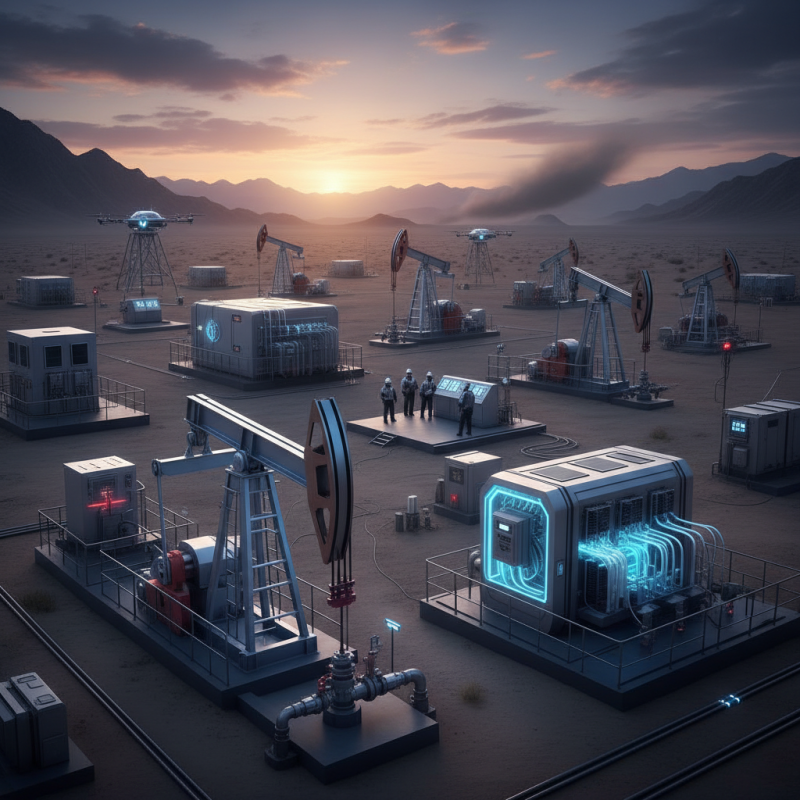
Overview of Artificial Lift Technologies in Oil and Gas Industry
Artificial lift technologies play a critical role in the oil and gas industry. They are essential for enhancing production rates when natural reservoir pressure declines. Various methods exist, tailored for specific extraction conditions and challenges. For instance, electric submersible pumps (ESPs) are popular due to their efficiency in deep wells. However, their installation can be costly and time-consuming.
Another common technology is rod pumping, which uses mechanical rods to bring oil to the surface. This method is cost-effective for many operators. Yet, it can lead to maintenance issues if not monitored closely. Operators need to balance the advantages and challenges of each method. Optimizing the right technology can lead to significant cost savings, but it requires careful analysis of the well conditions.
Gas lift is another technique worth mentioning. It involves injecting gas into the production stream to reduce fluid density. This method can enhance production but may introduce complexities in gas management. Each technology requires a tailored approach, and no one-size-fits-all solution exists. Decision-makers must reflect on specific benefits and potential drawbacks when selecting an artificial lift method.
Key Types of Artificial Lift Systems: Pros and Cons
Artificial lift technologiesplay a crucial role in maximizing oil production. There are several key types of Artificial Lift Systems, each with distinct pros and cons. One popular type isrod pump systems. They are simple and cost-effective. However, they require regular maintenance, which can add to operational costs. Their efficiency can decline in high-water cut wells, leading to production challenges.
Another significant type is electrical submersible pumps (ESPs). They can handle high flow rates and depth. ESPs can give a boost to production in challenging conditions. Yet, they are complex and expensive to install. Their reliability can be a concern, especially in extreme environments. Operator training is crucial for maximizing their potential.
Progressive cavity pumps are also worth noting. They offer smooth flow rates and can handle various fluid types. However, they may struggle with sand and abrasive substances. This can lead to frequent downtime for repairs. Each system has its strengths and weaknesses, making it essential for operators to assess their specific needs and conditions. Balancing effective technology use while managing costs is critical in today's energy landscape.
Emerging Trends in Artificial Lift Technology for 2026
As we approach 2026, artificial lift technology is evolving rapidly. New methods are emerging, and awareness is crucial. One area gaining traction is the integration of renewable energy sources. This shift aims to reduce carbon footprints in oil extraction while ensuring efficient operations. Many operators are exploring solar or wind energy to power artificial lift systems.
Another exciting trend is the use of advanced data analytics. Machine learning and real-time monitoring can optimize lift performance. These technologies can predict equipment failures before they occur, enhancing reliability. However, early adoption remains a challenge for some. Many companies are still grappling with data integration.
Lastly, hybrid lift systems are becoming increasingly popular. These integrate various lift mechanisms to adapt to well conditions. While versatile, they can also complicate maintenance processes. Operators must ensure their teams are trained for potential issues. Balancing innovation with practical applications is essential as we look to the future.
2026 Top Artificial Lift Technologies You Need to Know
| Technology | Description | Advantages | Emerging Trends |
| Electric Submersible Pumps (ESPs) | Used for lifting fluids from deep wells. | High efficiency, low operational costs. | Integration with IoT for real-time monitoring. |
| Rod Pumps | Mechanical pumps using a rod to lift fluids. | Reliable for many well conditions, easy maintenance. | Advanced materials for durability in harsh environments. |
| Progressing Cavity Pumps (PCPs) | Positive displacement pumps suited for viscous fluids. | Ability to handle high viscosity, versatility. | Use of smart technologies for optimization. |
| Gas Lift | Uses gas to reduce the density of the liquid column. | Flexible and effective for varying well conditions. | Improved gas injection techniques for efficiency. |
| Hybrid Systems | Combines multiple lifting technologies for optimization. | Enhanced adaptability and efficiency across various conditions. | Integration of AI for predictive maintenance. |
Comparative Analysis of Leading Artificial Lift Technologies
Artificial lift technologies play a crucial role in enhancing oil and gas production. Several methods exist, each with unique strengths and drawbacks. Among them, rod lift and electrical submersible pumps are widely used. Rod lift is known for its simplicity and cost-effectiveness. However, it can struggle in harsh environments, leading to higher maintenance needs over time.
On the other hand, electrical submersible pumps can handle larger volumes and operate at greater depths. Yet, they require a significant initial investment and complex installation. Some operators express concerns over reliability and the potential for unplanned failures. This unpredictability can halt production, leading to costly downtime.
Choosing the right technology involves weighing options carefully. Different fields often present unique challenges, demanding tailored solutions. Some technologies may shine in one environment but falter in another. Continuous evaluation and adaptation are necessary to ensure efficiency and longevity in artificial lift systems.
Future Prospects and Innovations in Artificial Lift Solutions
The future of artificial lift technologies is gearing up for exciting advancements. One promising area is the integration of smart sensors. These sensors can monitor real-time conditions in wells, enabling operators to make informed decisions. Smart technologies can enhance efficiency but may introduce complexities. Training personnel is vital to navigate these new systems effectively.
Another innovation on the horizon is the development of advanced materials for pump components. Lightweight and durable materials could reduce wear and tear. However, these advancements raise questions about cost and longevity. How will the market adapt to these changes? Innovators need to carefully assess their designs.
Emerging methods such as hybrid lift systems combine traditional and modern techniques. These systems aim to optimize performance. Yet, there are challenges to implementation and maintenance. Companies must balance innovation with proven methods. The journey ahead is promising, yet it requires thoughtful consideration and adaptability in the face of new technologies.