
Blog

What Are Men's Smartwatches and How Do They Work?

Men’s Smartwatches have evolved from simple digital watches into compact personal assistants. They can display messages, record workouts, monitor sleep, and support contactless payments. Some models also track heart rate, blood oxygen, skin temperature, and stress patterns. These features can make a morning run feel more measurable. They can also make everyday routines easier.

Tim Cook, Apple’s CEO, once described the Apple Watch as “the most personal device we’ve ever created.” That statement helps explain the appeal of modern Men’s Smartwatches. They sit directly on the wrist, collect information through optical sensors, and connect with smartphones through Bluetooth or Wi-Fi. Certain models also use cellular networks, allowing calls without a nearby phone. Their tiny processors interpret sensor data, while companion apps turn numbers into charts and alerts.

Still, the technology is not magic. Battery life varies widely, and health readings are not a substitute for professional medical advice. A watch may notice an unusual pulse, but it cannot explain every cause. Accuracy can also change with loose straps, sweat, tattoos, or rapid movement. This is where buyers need realistic expectations.

This guide will examine what Men’s Smartwatches are, how their sensors work, and which functions matter daily. It will compare fitness tracking, communication, durability, privacy, and battery performance. The discussion will also question a common assumption: more features do not always create a better watch. Sometimes, a clear screen and dependable battery matter more.
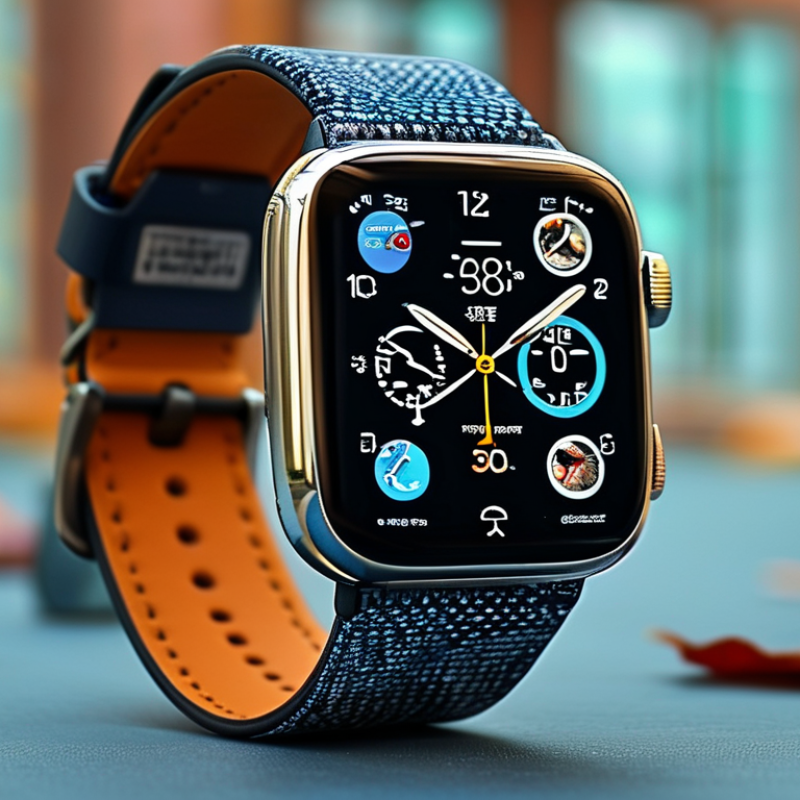
What Are Men's Smartwatches and How Do They Work?

What Defines a Men’s Smartwatch?

What defines a men’s smartwatch? It is not simply a larger watch with darker colors. Its value comes from practical design, reliable sensors, and comfortable daily use. A well-designed model should fit broader wrists without sliding during running or strength training. It should also offer readable text, physical controls, and a battery that survives a busy day.

According to Counterpoint Research’s Global Smartwatch Shipment Tracker, worldwide smartwatch shipments declined 7% year over year in 2024. This suggests that buyers are becoming more selective. A men’s smartwatch must therefore solve real problems, such as tracking heart rate during exercise, showing calls in a meeting, or guiding a short outdoor route. Industry reports often measure shipments, but they cannot fully measure comfort. My own experience shows that a heavy case can feel impressive at first, then become annoying after several hours. That detail deserves more attention.

Tips: Check wrist fit before advanced features. Look for a clear display, water resistance suited to your routine, and health measurements explained with accuracy limits. The European Commission also stresses that health-related digital information should not be confused with professional medical advice. Syncing matters too. A useful smartwatch should connect consistently, protect personal data, and remain understandable when notifications become overwhelming. Better hardware does not always mean better habits.


How Men’s Smartwatches Combine Hardware and Software

Men’s smartwatches combine compact hardware with software that turns movement into useful information. A sensor cluster may include an optical heart-rate sensor, accelerometer, gyroscope, GPS receiver, microphone, and temperature sensor. A small processor interprets these signals, while the operating system organizes alerts, workouts, sleep records, and calls. Bluetooth connects the watch to a phone, but many models can also process data independently.

This market is growing, although the numbers need careful reading. IDC’s Worldwide Quarterly Wearable Device Tracker reported approximately 537.9 million wearable shipments in 2024. That figure includes watches, bands, and other devices, not only men’s smartwatches. Counterpoint Research also reported changing smartwatch demand across regions, showing that price, battery life, and health features strongly influence purchases. Software updates are equally important. Algorithms can improve step detection or heart-rate estimates after release. Yet results are not medical proof. The boundary is not perfectly clean.

Tips: Check sensor accuracy during real use, not only advertisements. Look for clear privacy settings and regular security updates. Battery estimates can disappoint. Enable only the features you actually need, especially continuous GPS and bright screen modes. Test comfort with a shirt cuff and during exercise. A watch that feels heavy may remain unused, despite impressive specifications.

What Are Men's Smartwatches and How Do They Work?

Men’s smartwatches combine sensors, wireless hardware, a processor, and software algorithms to turn physical signals into useful health and activity insights.

The chart shows common measurement ranges used by smartwatch hardware and software. Accelerometers and gyroscopes detect movement, optical sensors estimate heart rate and blood oxygen, and GNSS hardware supports outdoor positioning. Software filters the raw signals and presents them as readable metrics.

How Smartwatches Track Health, Fitness, and Daily Activity

A men’s smartwatch is a wrist-worn computer that turns body movement into readable data. Its health features rely on several small sensors. Optical sensors shine green or infrared light into the skin. They estimate pulse changes as blood moves through vessels. An accelerometer detects steps, movement, and rest. A gyroscope notices wrist rotation during exercise. Together, these signals estimate heart rate, calories, activity intensity, and sleep patterns. Some watches also use satellite positioning to measure outdoor distance and pace. During a morning run, the device can map a route while recording changing heart rates.

That data is useful, not perfect.

In my experience, fit strongly affects readings. A loose strap can create gaps or false changes. Sweat, cold skin, tattoos, and rapid arm movement may also reduce accuracy. Algorithms compare patterns over time, rather than reading every result as a medical fact. They may identify unusual heart-rate trends, but they cannot diagnose illness. Sleep tracking is another estimate. It combines stillness, pulse, and breathing-related signals. Quiet nights are not always restful nights. Wearing the watch consistently improves comparisons. Checking weekly patterns works better than reacting to one surprising number. Reviewing those patterns beside real habits can reveal useful connections. Perhaps late coffee affected sleep more than expected. That possibility deserves reflection. For concerning results, professional medical advice remains essential.

How Smartwatches Connect With Phones and Other Devices

Men’s smartwatches are compact computers worn on the wrist, but their usefulness depends on connection.

Most models pair with a phone through Bluetooth during setup. A companion app then manages notifications, health records, settings, and software updates. The process usually involves scanning a code, confirming a number, and approving permissions. It takes only a few minutes.

Bluetooth handles nearby communication, such as displaying a new message or controlling music. Wi-Fi can keep the watch connected when the phone is farther away, provided both devices share a saved network. Some watches also use cellular networks for calls, messages, and location services without a phone nearby. That independence sounds convenient. It can reduce battery life quickly.

The watch sends data through small radio signals, while the phone often provides internet access and heavier processing. For example, a watch may measure a pulse, transfer the reading, and let the app create a longer-term chart. Notifications work in reverse: the phone receives an alert, then forwards a shortened version to the wrist. I have found pairing reliable in open spaces, but crowded areas can cause delays. Walls, distance, and wireless interference matter more than many users expect.

Connection permissions deserve careful attention. Review which apps can access contacts, location, or health information. Use screen locking and updated software. No system is perfect. A missed alert or inaccurate reading can still happen, so important decisions should not rely on the watch alone.

Key Features, Uses, and Considerations for Choosing One

Men’s smartwatches combine timekeeping with sensors, software, and wireless communication. Their functions are not truly male-specific. The main differences involve case size, strap length, durability, and styling.

An optical sensor estimates heart rate through reflected light. An accelerometer detects movement, while GPS maps outdoor routes. Bluetooth connects the watch with a phone for calls, messages, and calendar alerts. Some models also track sleep, blood oxygen, workouts, and stress indicators.

According to IDC’s Worldwide Quarterly Wearable Device Tracker, global wearable-device shipments reached 537.6 million units in 2024, increasing 11.7% year over year. That figure includes watches, bands, and other wearable products. The scale is impressive, but it does not prove that every feature is useful.

Choosing one requires practical judgment. Check battery life, water resistance, screen readability, sensor consistency, and phone compatibility. A construction worker may value a tough case and clear alerts. A runner may prefer accurate location tracking and lightweight design. A frequent traveler may need reliable notifications without constant charging.

Privacy also deserves attention. Health data should be handled carefully, not treated as casual entertainment. Research published by the National Institutes of Health shows that consumer wearables can support activity monitoring, but measurements may vary across users and conditions.

Numbers can mislead. I would not use a smartwatch as a medical diagnosis tool. Even sleep scores need reflection, especially after a restless night.

Go to Top