What is a Lighting Switch and How Does It Work?
In the world of electrical installations, the "Lighting Switch" stands out as a crucial component. Experts emphasize its importance. John Blake, a senior electrical engineer, once said, “A well-designed lighting switch can transform the functionality of any space.” Understanding how a lighting switch works can enhance both safety and convenience.
Lighting switches are not just mechanical devices; they are essential for controlling our environment. These switches allow us to illuminate our homes and workplaces, thereby impacting mood and productivity. A malfunctioning lighting switch can lead to frustration and safety hazards. Small details, such as proper placement and wiring, may often be overlooked but are vital for optimal performance.
Looking deeper into the industry, we realize that despite advancements, common issues still arise. Design considerations can sometimes lead to poor user experience. Reflecting on the design choices we make in lighting switch functionality can pave the way for improvements. With constant innovation, it’s essential to ensure that lighting switches remain user-friendly and efficient for everyone.
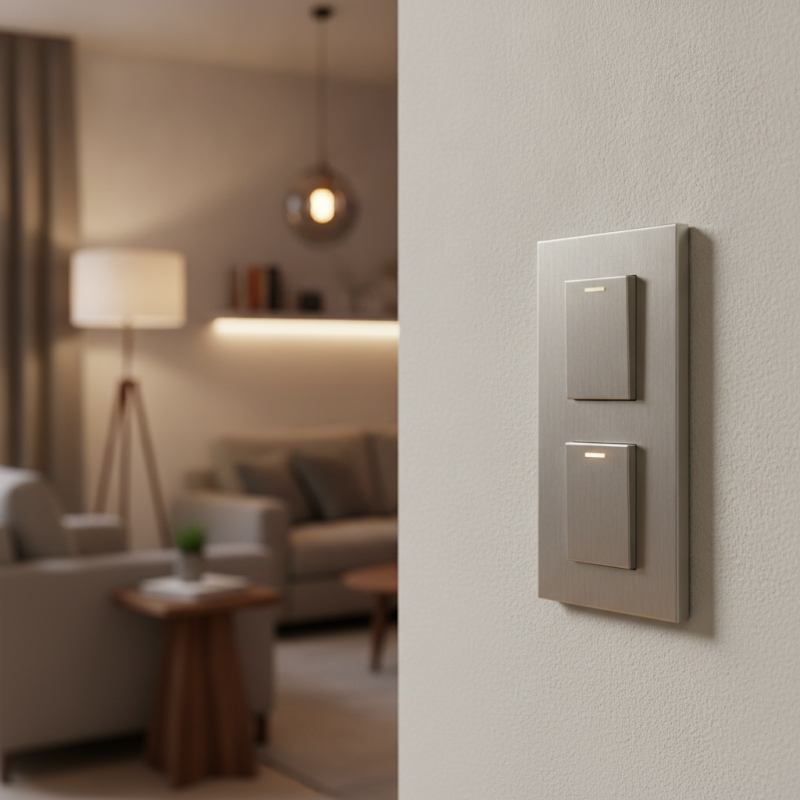
What is a Lighting Switch?
A lighting switch is a simple yet essential device in every home. It allows you to control the lighting in your space with ease. When you flip a switch, you either complete or break the electrical circuit, turning the lights on or off. The design may seem straightforward, but there is much happening behind the scenes. The wiring harnesses electricity from the source and directs it to the light fixture.
Consider the different types of lighting switches available. There are standard toggle switches, dimmer switches, and smart switches. Each type offers unique features. For example, dimmer switches let you adjust brightness, creating a cozy atmosphere. Smart switches connect to Wi-Fi and can be controlled via your smartphone. These innovations are convenient but may require special installation.
Yet, with new technology comes complexity. While a smart switch can enhance your home, setup can be tricky. Not all homes have the wiring to support various designs. It’s important to consider compatibility with your existing fixtures. This can lead to mistakes if not carefully planned. Therefore, understanding how a lighting switch works is vital before making any changes. Awareness of these details can help prevent future frustrations.
Types of Lighting Switches Available Today
Lighting switches come in various types, each designed for specific needs and functionalities. Traditional toggle switches are common in residential settings. They are simple and easy to use. However, they often lack advanced features. Dimmer switches allow users to adjust brightness, creating the desired ambiance. This can enhance the overall atmosphere of a room.
More advanced switches include smart lighting controls. These can be managed through apps or voice commands. They offer convenience and energy efficiency. However, installation can be challenging if you're not technically inclined. Always consider your comfort level before choosing smart devices.
Tips: When selecting a switch, consider the ease of installation. Some switches may require professional help. Also, take note of your lighting fixtures’ compatibility. Not all switches work with LED bulbs, so check specifications. Assess your specific lighting needs before making a purchase.
Types of Lighting Switches Available Today
How the Mechanism of a Lighting Switch Operates
A lighting switch is a simple yet essential device in our daily lives. It controls the flow of electricity to light fixtures. When you flip a switch, it either completes or disconnects the circuit. This action allows lights to turn on or off instantly. Most switches operate via a mechanical mechanism. Inside, metal contacts connect or separate, depending on the switch position.
The mechanism consists of springs and metal sliders. When the switch is pressed, springs move the slider to make or break a connection between electrical contacts. This process can seem straightforward, but small issues can lead to malfunction. Over time, dirt or wear can impair the connections. This might cause flickering lights or, in worst cases, complete failure.
Understanding how a lighting switch works enhances our approach to home safety. Yet many might overlook routine checks. Inspecting switches periodically can prevent potential hazards. It’s wise to replace old or damaged switches promptly. A small effort can lead to greater safety and efficiency in your home. Consider this: are you addressing potential issues before they become problems? Reflecting on this can improve your space significantly.
Installation Process for a Lighting Switch
Installing a lighting switch may seem simple, but it requires careful attention to detail. Understanding the installation process can prevent issues later on. According to the National Electrical Manufacturers Association (NEMA), improper installations contribute to a significant percentage of electrical failures. It’s crucial to follow best practices.
Begin by turning off the power at the circuit breaker. This step is vital for safety. Next, remove the old switch and examine the existing wires. Typically, you’ll find two or more wires: a live wire, a neutral wire, and possibly a ground wire. Use a voltage tester to ensure no current is flowing through the wires. If you’re unsure, consult a professional.
When connecting the new switch, match the wires based on their function. Often, the live wire connects to the brass terminal, while the neutral connects to the silver terminal. Tighten the screws carefully to avoid loose connections. Secure the switch within the electrical box before placing the cover plate.
Tips: Always double-check your wiring before restoring power. If something doesn’t feel right, take a step back. Reflect on the installation process and your understanding of electrical systems. It’s better to take your time than to rush and make mistakes. Regular maintenance checks on all switches can prevent future electrical hazards.
Common Issues and Troubleshooting Tips for Lighting Switches
Lighting switches are essential in controlling your home’s illumination. However, issues can arise from time to time. Understanding common problems can save you from frustration.
One common issue is a switch that doesn’t work. This may happen due to faulty wiring or a damaged switch. Check for loose connections. Tighten any wires that appear loose, making sure your power is off before inspection. Sometimes, a simple reset of the circuit breaker can work wonders.
Another frequent problem is flickering lights. This may result from poor connections or an overloaded circuit. Ensure that the bulbs are securely screwed in. If flickering persists, consider evaluating the circuit load. Avoid adding too many fixtures to one circuit to prevent overload.
Regular maintenance can prevent these issues. Test your switches periodically. An ounce of prevention goes a long way in avoiding unexpected complications. Stay proactive and ensure your home remains well-lit and safe.
What is a Lighting Switch and How Does It Work? - Common Issues and Troubleshooting Tips for Lighting Switches
| Issue | Description | Troubleshooting Steps | Prevention Tips |
| Switch Not Working | The light switch does not respond when turned on. | Check for power supply, inspect wiring connections, and test the switch with a multimeter. | Regularly inspect switches for wear and replace old switches. |
| Flickering Lights | Lights flicker when the switch is engaged. | Examine bulb connections, replace bulbs, and inspect the switch for internal issues. | Use high-quality bulbs and ensure proper wattage ratings for fixtures. |
| Overheating Switch | The switch feels hot to the touch, which can be a fire hazard. | Turn off power and check wire connections for tightness; replace the switch if it is damaged. | Ensure circuits are not overloaded and use switches rated for the load. |
| Buzzing Noise | A buzzing sound occurs when the switch is in the on position. | Inspect for loose wire connections and check the compatibility of the bulb and fixture. | Use compatible dimmer switches with LED lighting as per recommendations. |
| Stuck Switch | The switch cannot be toggled between on and off. | Check for physical obstructions and test the mechanism by removing the switch cover. | Regularly check for debris around the switch and maintain cleanliness. |