What is Electrical Wire and How is it Used?
Electrical wire plays a crucial role in the modern world, serving as the backbone of electrical systems across various industries. According to a report by Grand View Research, the global electric wire and cable market size was valued at approximately $157.9 billion in 2020 and is expected to grow at a compound annual growth rate (CAGR) of 4.9% from 2021 to 2028. This growth emphasizes the increasing demand for electrical wire in residential, commercial, and industrial applications.
In everyday life, electrical wire ensures that homes are powered, businesses run efficiently, and essential services operate smoothly. From residential wiring systems to complex industrial setups, the usage of electrical wire is ubiquitous. However, inadequate installation or poor-quality materials often leads to safety hazards, such as electrical fires or power failures. An industry report by the National Fire Protection Association highlights that electrical failures account for nearly 20% of all home structure fires in the U.S.
Despite its importance, not all practitioners understand the nuances of electrical wire specifications and standards. This gap in understanding can lead to improper usage and a lack of compliance with safety codes. As the industry evolves, continuous education on the properties and applications of electrical wire remains essential to ensure safety and reliability in electrical systems.
Definition of Electrical Wire: Types and Materials
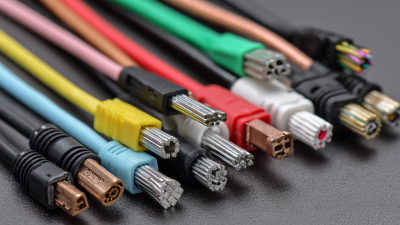
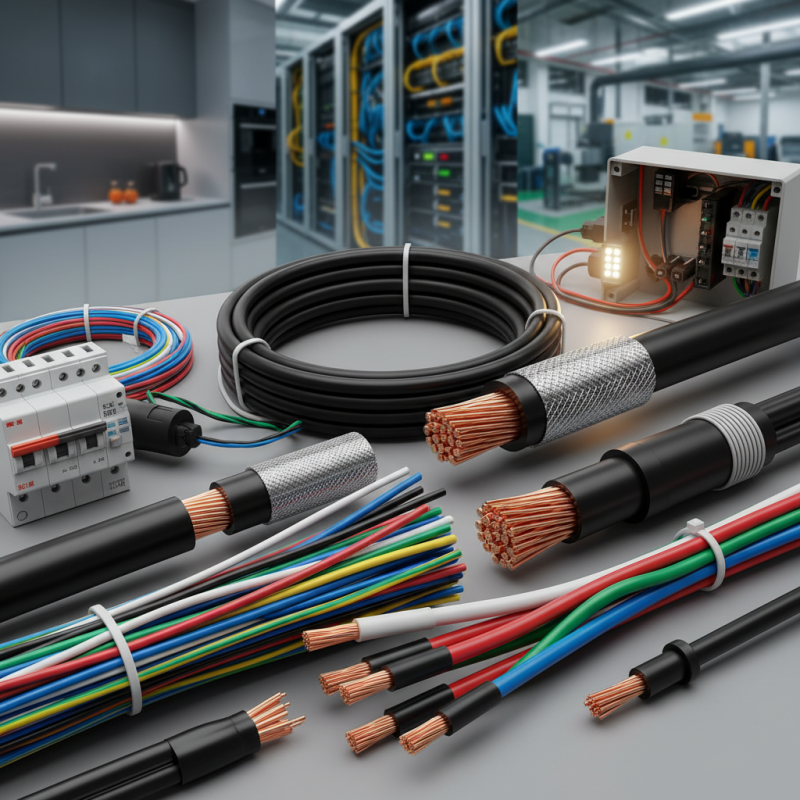
Electrical wire is essential for a variety of applications, from powering homes to connecting complex machinery. There are several types of electrical wires, each made from different materials and designed for specific purposes. Common materials include copper and aluminum, known for their excellent conductivity. Copper, in particular, is favored for its efficiency and durability. A report from the International Wire and Cable Manufacturers indicates that copper wire constitutes about 70% of the electrical wiring market.
There are also different types of electrical wire, such as non-metallic sheathed cable (NM), armored cable (AC), and underground feeder cable (UF). NM wire is popular for residential use, while AC wire provides extra protection for commercial applications. It's important to choose the right type for the specific environment as improper choices can lead to short circuits or even fires.
Tips: Always check for wire ratings. Ensure that the wire can handle the required voltage and current. Install wires according to local codes. Inadequate installation can lead to serious hazards. Regularly inspect and replace any damaged wiring. A small cut or abrasion could escalate into a much larger problem over time.
Key Components of Electrical Wiring: Conductors and Insulators
Electrical wiring plays a crucial role in powering various devices in our daily lives. At the heart of wiring are conductors and insulators. Conductors, often made of copper or aluminum, allow electricity to flow easily. According to industry reports, copper's conductivity is nearly 60% higher than aluminum, making it a widely preferred choice. However, aluminum conducts electricity well as well, and it is lightweight and less expensive.
Insulators, such as plastic or rubber, serve as barriers to prevent uncontrolled flow of electricity. They protect both the wiring and individuals from electrical shock. Industry data suggests that over 30% of electrical accidents arise from faulty insulation. The thickness and quality of the insulator are critical factors. For instance, a 0.5mm thick insulator can withstand around 600 volts, but wear and tear can weaken its effectiveness unexpectedly.
The interaction between conductors and insulators is delicate. While conductors transmit energy, improper insulation can lead to overheating or short circuits. Many overlook this critical balance. Regular inspections of both components can help identify potential hazards. However, the reality is that maintenance is often neglected, leading to serious risks. Understanding this dynamic is essential for safer electrical applications.
Common Applications of Electrical Wire in Everyday Life
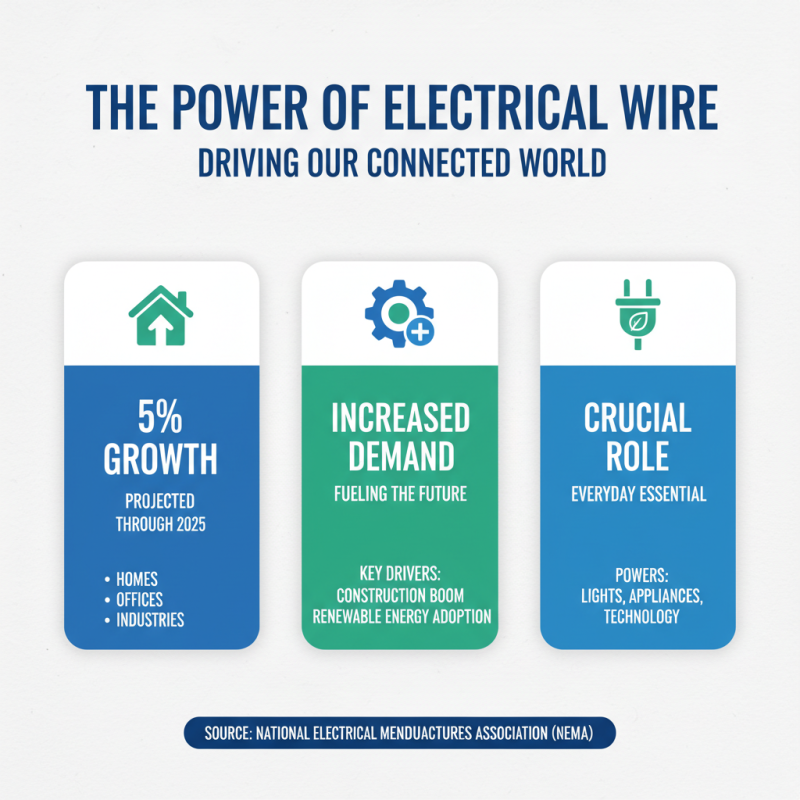
Electrical wire plays a crucial role in our daily lives. It's found in homes, offices, and various industries. According to the National Electrical Manufacturers Association, the demand for electrical wire is projected to grow by 5% annually through 2025. This growth is driven by increased construction activities and the rising adoption of renewable energy sources.
In residential settings, electrical wires connect lighting fixtures, outlets, and appliances. For instance, a typical household may use over 500 feet of electrical wiring. This wiring is essential for the safe transfer of electricity. Improper installation can lead to fires. Many homeowners are not aware of this risk. They often overlook the importance of regular inspections.
Industrial applications are equally significant. Wires are used in machinery, control panels, and power distribution systems. The global market for industrial electrical wires is estimated to reach $150 billion by 2026. This indicates a strong reliance on innovative technologies. Yet, outdated wiring in older buildings presents safety hazards. Regular upgrades and maintenance can help mitigate these risks. However, many businesses delay these vital changes, impacting overall safety and efficiency.
Safety Standards and Regulations for Electrical Wire Use
Electrical wire is essential for many applications. However, using it safely is critical. Various safety standards and regulations guide electrical wire usage. These regulations are designed to protect people and property from electrical hazards. Among the key standards are those set by organizations like the National Electrical Code (NEC). Compliance with these guidelines is often necessary for any electrical work.
Tips: Always choose the right wire gauge for your application. Using a wire that is too small can lead to overheating. This is a common oversight. Checking the local codes is vital as they can vary significantly.
Installation mistakes are more common than one might think. Not securing wire properly can lead to fraying or damage. Inspect your work before covering it up. Regular inspections can prevent fire hazards. Always use certified materials as they ensure a level of safety. If unsure, consulting a professional is a wise choice. Your safety is paramount.
Maintenance and Troubleshooting of Electrical Wiring Systems
Electrical wiring systems play a crucial role in our daily lives. They ensure power delivery to various devices and structures. Regular maintenance is essential for safety and efficiency. A report from the National Fire Protection Association (NFPA) indicates that faulty wiring contributes to 67% of electrical fires. This alarming statistic highlights the need for proactive troubleshooting to prevent disasters.
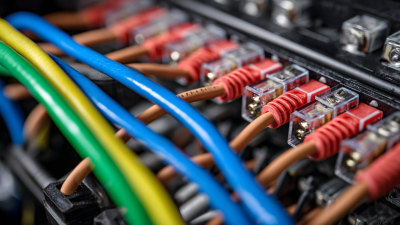
Effective troubleshooting involves inspecting wires and connections for wear and tear. Signs of damage include frayed wires and discoloration. Regular visual checks can catch issues early. Additionally, checking connections and junction boxes can prevent overheating. Many homeowners overlook these simple tasks. However, ignoring them can lead to costly repairs or safety hazards.
Data from the Electrical Safety Foundation International (ESFI) shows that 55% of electrical injuries occur due to unsafe wiring practices. This statistic underscores the importance of proper installation and maintenance. It’s crucial to follow safety standards and guidelines. Mistakes, such as overloading circuits, can have severe consequences. Frequent inspections and adherence to safety regulations can mitigate risks associated with electrical systems.
What is Electrical Wire and How is it Used? - Maintenance and Troubleshooting of Electrical Wiring Systems
| Wire Type |
Usage |
Voltage Rating |
Color Code |
Common Issues |
| Copper Wire |
Residential and commercial wiring |
600V |
Black, Red, White |
Corrosion, breaks |
| Aluminum Wire |
Heavy-duty electrical systems |
600V |
Silver, Blue |
Oxidation, overheating |
| Thermoplastic Wire (NM) |
Indoor residential wiring |
300V |
Yellow, Orange, White |
Fraying, melting |
| Armored Cable (AC) |
Commercial lighting and power |
600V |
Gray, Black |
Damage to armor, moisture penetration |
| Underground Feeder Cable (UF) |
Outdoor lighting, connection to outbuildings |
600V |
Black, Yellow |
Rodents, moisture damage |