Choosing the right copper cable begins with the project, not the product catalogue. Cable selection affects safety, voltage performance, installation time, and long-term operating costs. A cable that looks suitable on a warehouse shelf may overheat inside a crowded conduit. It may also fail under moisture, vibration, or repeated bending.
The International Energy Agency’s Global Critical Minerals Outlook 2024 estimates that copper demand for clean-energy technologies could rise from about 6.5 million tonnes in 2023 to 10.2 million tonnes by 2035. This pressure makes material efficiency increasingly important. The report also highlights copper’s role in power grids, electric vehicles, and renewable-energy systems. These applications require carefully engineered conductors, suitable insulation, reliable joints, and verified thermal performance. Standards from IEC, ASTM, and national electrical authorities provide useful reference points, but they do not replace project-specific calculations.
Details matter.
A practical choice considers conductor size, resistance, ampacity, insulation temperature, shielding, flexibility, installation length, and environmental exposure. For example, a 70-meter run feeding industrial equipment may need a larger copper cable to control voltage drop. A rooftop installation may require UV-resistant insulation and stronger mechanical protection. Engineers should confirm calculations against local codes and manufacturer test data. Yet even experienced teams can overlook future load growth or difficult maintenance access. That weakness deserves attention. This guide explains how to compare cable types, interpret technical specifications, and avoid common selection mistakes. Reliable decisions come from verified data, field experience, and a clear understanding of how the cable will perform after installation.
Choosing the right copper cable begins with the project’s actual power demand. Calculate the expected current from the equipment’s rated load, then allow suitable capacity for continuous operation and startup surges. A cable that works during testing may overheat after hours of normal use.
Distance matters because voltage drops along the conductor. Long runs require careful calculation, especially for motors, heaters, and sensitive electronic equipment. A thicker copper conductor can reduce this loss, but oversizing without checking terminals and bending space creates installation problems. Measure the route, not just the map distance.
Installation conditions also influence cable selection. Cables inside walls, conduits, trays, or outdoor spaces may need different insulation and temperature ratings. Bundled cables can retain heat. Wet areas demand suitable protection. Check the conductor size, insulation rating, grounding method, and local electrical requirements together. Never select by diameter alone.
A practical detail is often missed: leave enough length for clean terminations and future maintenance. Poorly prepared ends can cause resistance and heat. Even experienced installers sometimes underestimate tight bends or crowded enclosures. Recheck the calculation before purchasing. Small assumptions can become expensive corrections.
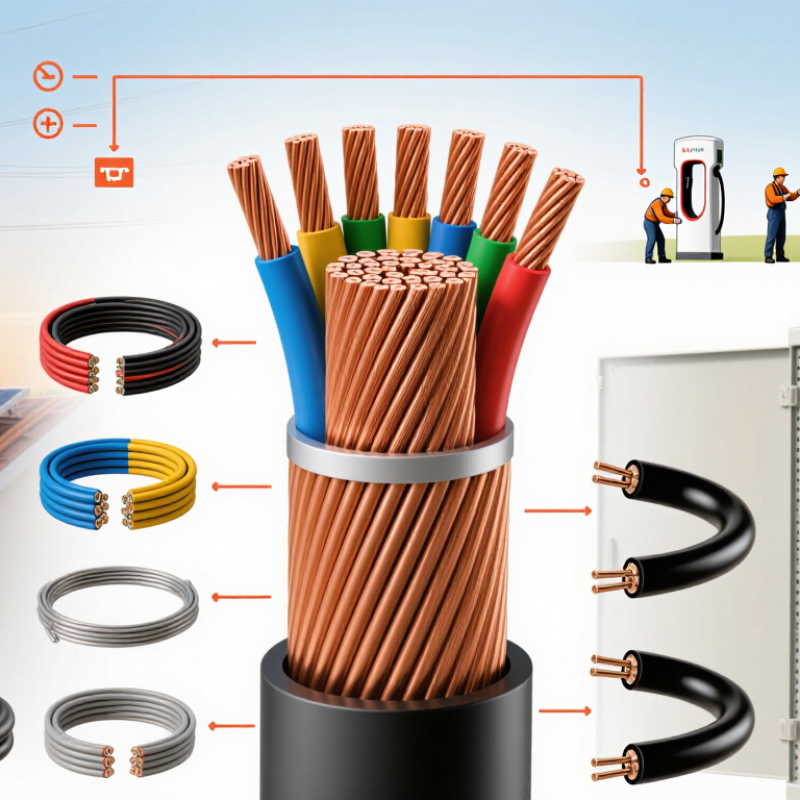
Cable selection begins with the conductor, not the jacket. Solid copper works well in fixed residential circuits because it holds shape and offers stable connections. Stranded copper bends more easily around panels, motors, and moving equipment. IEC 60228 classifies conductors by construction and resistance limits. The Copper Development Association reports copper at 100% IACS conductivity, while aluminum is about 61%. This difference can reduce voltage drop, but larger copper cable may increase project cost and weight.
Insulation changes the cable’s practical limits. PVC is economical and commonly rated for 70°C conductors under relevant installation standards. XLPE often supports 90°C operation and handles higher thermal stress. Low-smoke, halogen-free compounds can reduce corrosive emissions during fire conditions, although they may cost more and feel less flexible. IEC 60502-1 provides widely used requirements for power cables up to 1 kV. Always check the exact temperature, voltage, and fire-performance ratings.
A cable can still fail when its conductor is correctly sized. I have seen designs overlook grouping, conduit heat, and long-distance voltage loss. That mistake is easy to make. Calculate ampacity using the installation method, ambient temperature, and bundled-cable correction factors. Then compare copper types and insulation against moisture, abrasion, bending, and maintenance needs. The International Energy Agency’s Electricity 2024 analysis shows continuing growth in electricity demand, making efficient distribution increasingly important. Bigger is not always better. A practical design balances safety, flexibility, losses, and total lifecycle cost.
Choosing the right copper cable starts with two checks: current capacity and voltage drop. Estimate the load current from the equipment’s rated power and supply voltage. Then select a cable whose allowable ampacity exceeds that current after derating. Ambient heat, bundled cables, insulation type, and installation method can reduce capacity. A cable that works in open air may overheat inside crowded conduit. Measure twice.
Voltage drop becomes more important as the cable run gets longer. Calculate the complete circuit length, including the return conductor. A small drop can dim lighting, slow motors, or cause sensitive controls to malfunction. Many installations target no more than 3% drop on a branch circuit and 5% across the entire system, but local codes and equipment instructions may differ. Increasing conductor size often reduces resistance and improves performance. Copper is forgiving, but not unlimited.
Tips: Record the load, cable length, ambient temperature, and installation method before sizing. Check the cable’s ampacity tables and local electrical requirements. Leave no assumptions undocumented. A quick field check can reveal loose terminals, unexpected heat, or a longer route than the drawing shows. For critical circuits, have a qualified electrician verify the calculation. Mistakes often begin with an underestimated load or an optimistic cable length.
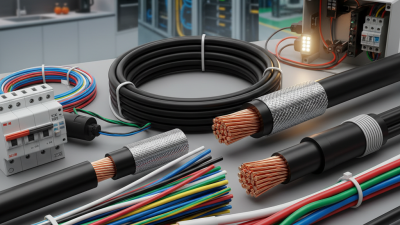
Shielding deserves practical testing, not just catalogue comparison. A braided shield handles vibration well, while foil offers broader high-frequency coverage. However, a shield works only when connectors, glands, and grounding paths are installed correctly. A perfect shield on paper can fail at one careless termination. IEC 61156 and ISO/IEC 11801 provide useful guidance for balanced communication cable performance. Check impedance, insertion loss, transfer impedance, and bend requirements together. Do not choose shielding by appearance alone.
Flexibility depends on conductor class, strand size, insulation, and movement frequency. IEC 60228 classifies conductors by construction, but repeated bending needs application-specific testing. A robotic cable may flex thousands of times, while a fixed tray cable may never move. I once over-specified a highly flexible cable for a stationary run. It worked, but increased cost without improving reliability. That was unnecessary.
Environmental protection should match the actual site. Oil, moisture, ultraviolet light, salt spray, and abrasion can attack the jacket differently. The NACE IMPACT study estimated global corrosion costs at about 3.4% of worldwide gross domestic product. That figure makes jacket selection harder to dismiss. For outdoor routes, inspect UV resistance, water blocking, temperature range, and ingress protection. The International Energy Agency’s 2024 Global Critical Minerals Outlook also indicates rising copper demand through 2035. Material efficiency matters. A smaller cable may save money, but poor protection can create early replacement waste. Test a sample under realistic heat, moisture, and bending conditions before approving the full order.
Choosing copper cable begins with safety, not price. Confirm the insulation rating, conductor class, and intended installation method. Check certification marks and test documents against the electrical codes used at your site. These records should identify voltage limits, temperature ratings, flame behavior, and moisture resistance. Do not rely on a sales description alone. Ask for current certificates. Small details matter.
Compatibility requires more than matching wire size. Compare the conductor with terminals, lugs, breakers, conduit, and equipment ratings. A cable may fit physically yet overheat at a crowded connection. Measure the route, including bends, vertical rises, and spare length for maintenance. Then calculate ampacity after considering grouping, ambient heat, and installation conditions. A qualified electrician or engineer should verify the calculation. My own review habit is imperfect. I sometimes underestimate future loads. That mistake can make a new cable undersized within months. Leave practical capacity for expansion where the design allows it.
Assess total project cost, not only purchase price. Include connectors, pulling tools, labor, supports, testing, waste, and future access. A cheaper cable can require thicker conduit or slower installation. That difference may erase the initial saving. Request comparable quotations with identical specifications and measured quantities. Check delivery conditions and inspection requirements. Keep photographs, test results, and cable records for commissioning and later maintenance. Recheck assumptions before ordering. A neat spreadsheet can still contain a wrong length. Verify it against the actual route.
© 2023 JEM Electronics, Inc. – United States Cable Assembly. All rights reserved.