How to Choose the Best PVC Tarpaulin for Your Needs?
Choosing the right PVC Tarpaulin can significantly impact your projects. Whether for outdoor events, construction sites, or protective covers, the choice matters.
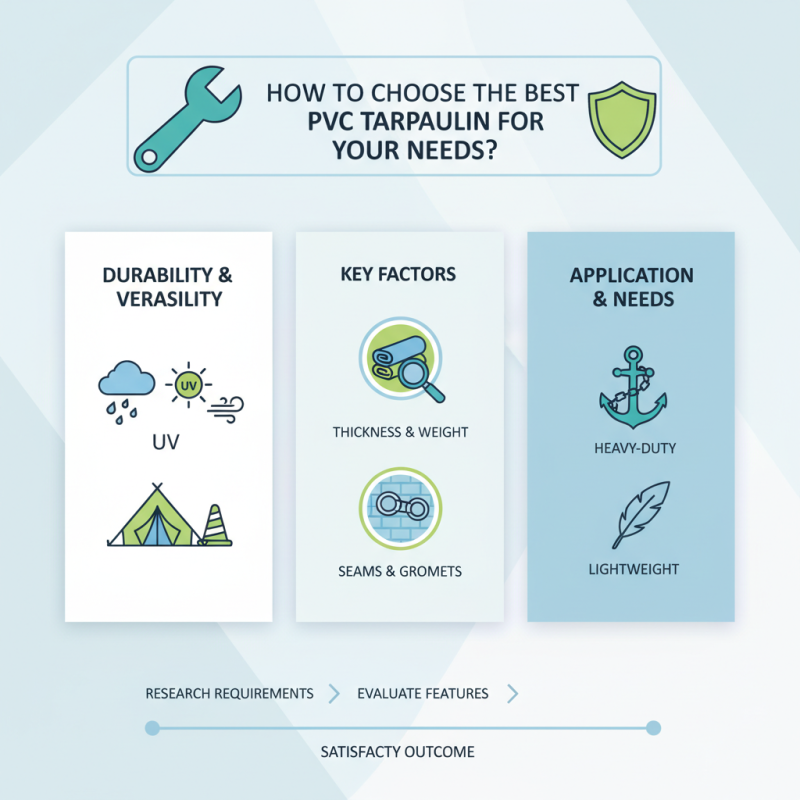
PVC Tarpaulin is known for its durability and versatility. It is waterproof, UV resistant, and suitable for various weather conditions. However, not all tarpaulins are created equal. You might find it challenging to select the best one for your specific needs.
Consider the thickness, texture, and weight of the PVC Tarpaulin. These factors influence its strength and suitability for different applications. Pay attention to the seams and grommets; they affect the overall reliability. Reflect on your requirements and how they align with the tarpaulin's features. Do you need something heavy-duty or lightweight? This process can be daunting, yet it is essential for a satisfactory outcome.
Understanding the Different Types of PVC Tarpaulin Available
When choosing the right PVC tarpaulin, understanding the various types available is essential. PVC tarpaulins come in multiple grades and thicknesses. Heavy-duty tarps are ideal for long-term outdoor use. They can withstand harsh weather conditions and heavy loads. Lighter options are perfect for temporary shelters or covering lightweight items.
Here are some tips to help you choose. Consider the environment where the tarp will be used. For intense UV exposure, opt for UV-resistant types. These can prevent discoloration and degradation over time. If you need something more flexible, look for tarps that are easy to fold and carry.
Pay attention to the finish as well. You might prefer a textured surface for added grip. Some tarps are designed with reinforced edges for better durability. However, be aware that thicker tarps can be more difficult to handle. Careful thought must be given to the purpose of the tarp. Reflect on whether you need it for storage, transport, or protection. This will affect your decision on color, thickness, and other features.
Key Factors to Consider When Selecting PVC Tarpaulin
When selecting PVC tarpaulin, understanding key factors is vital. First, consider the thickness of the material. Thicker tarpaulins offer better durability and resistance to punctures. Data shows that a 650gsm PVC tarpaulin can last up to 10 years in harsh environments. In contrast, lighter options may only hold up for a few seasons. Therefore, evaluating your intended use is essential.
Next, pay attention to UV resistance. Not all PVC tarpaulins provide the same level of protection from sunlight. A report by the International Organization for Standardization indicates that UV-treated fabrics can reduce degradation by as much as 70%. This is critical if the tarpaulin will be exposed to direct sunlight. Fabric color also plays a role; darker colors absorb more heat and can degrade faster.
Lastly, consider the weight of the tarpaulin. Heavier products can be harder to handle and may not be ideal for portable applications. However, lightweight options may struggle under high winds or adverse weather. Reflecting on your specific conditions will help narrow your choices. A poorly chosen tarpaulin may lead to frequent replacements and higher long-term costs.
Assessing Your Specific Needs for PVC Tarpaulin Applications
When choosing the best PVC tarpaulin, understanding your specific needs is crucial. Different applications require different qualities. For instance, if you need a tarp for construction, durability and resistance to wear are essential. If it’s for outdoor events, water resistance and UV protection are more critical. Assess where and how you will use the tarpaulin.
Tips: Check the specifications. A heavier gauge is often stronger but can be harder to handle. Think about transport and storage too. A lightweight option may be more convenient but might sacrifice durability. Reflect on the environment. Harsh conditions can quickly wear out a tarp.
Look closely at colors and finishes. Bright colors can improve visibility, which is essential in high-traffic areas. However, dark colors may offer better UV protection. Be aware that a cheaper tarp may not always be the best choice. Consider the long-term costs. Are you willing to replace it often? It’s often better to invest in quality.
Comparing Durability and UV Resistance in PVC Tarpaulin Options
When choosing a PVC tarpaulin, durability and UV resistance are crucial factors. These properties determine how long the tarpaulin will last under various weather conditions. A thick, robust material usually offers better durability. However, thicker tarpaulins can be cumbersome. Balance is key.
UV resistance is vital for outdoor use. Tarpaulins constantly exposed to sunlight can deteriorate quickly. Look for materials specifically designed to resist UV rays. This will prolong their lifespan. Consider your area’s climate. High UV index regions require a higher level of protection.
**Tips:** Check the manufacturer's specifications for UV ratings. A higher rating generally means better protection. Also, think about the potential for wear and tear. If you plan to move the tarpaulin frequently, a lighter option might be easier to handle. But remember, lighter does not always mean better quality. Always weigh your options carefully before making a decision.
How to Choose the Best PVC Tarpaulin for Your Needs? - Comparing Durability and UV Resistance in PVC Tarpaulin Options
| PVC Tarpaulin Type | Durability (Tear Strength) | UV Resistance (Hours) | Weight (g/m²) | Waterproof Rating (mm) |
| Heavy Duty PVC Tarpaulin | 500 N/5 cm | 3000 hours | 650 | 4000 mm |
| Lightweight PVC Tarpaulin | 250 N/5 cm | 2000 hours | 450 | 2000 mm |
| Eco-Friendly PVC Tarpaulin | 400 N/5 cm | 2500 hours | 550 | 3500 mm |
| Fire Retardant PVC Tarpaulin | 600 N/5 cm | 3500 hours | 700 | 5000 mm |
Evaluating Cost and Budget Considerations for PVC Tarpaulin Purchase
When considering a PVC tarpaulin purchase, cost and budget are crucial factors. Reports indicate that the average price range for quality PVC tarpaulin varies between $1.50 to $4.00 per square meter. This range often reflects the thickness and durability of the material. A thicker tarp may cost more upfront but can last significantly longer, potentially saving money over time. Assessing the long-term value is essential for budget-conscious buyers.
Many buyers overlook hidden costs. Shipping fees can add up, especially for bulk purchases. Installation costs are another factor. Some tarpaulins require specific hardware for proper setup. It's beneficial to compare not just initial purchase prices but overall expenses. Some reports suggest that undeterred buyers find themselves facing unplanned costs later.
Additionally, quality assurance can influence budget choices. Cheaper options might attract initial interest but often lack durability. An inferior tarp can lead to replacement costs down the line. Evaluating warranty options and user reviews can provide insight into potential pitfalls. Reflecting on these considerations can help buyers make informed decisions and avoid regrettable purchases.