How to Choose the Best LED Screen for Your Business Needs?
Choosing the best LED Screen for your business needs can feel overwhelming. With many options available, understanding what works best is key. LED screens offer vibrant colors and energy efficiency, making them a popular choice in various industries. Yet, the right selection depends on specific requirements.
Consider factors like brightness, resolution, and size. A high brightness level is crucial for outdoor settings. In contrast, indoor environments may prioritize resolution for clear visuals. Additionally, assess the installation space. A large screen might overwhelm a small room, while a compact size may limit visibility in larger areas.
Evaluating your audience's needs is another essential aspect. An engaging screen can attract more customers. However, many businesses overlook their target demographic. Balancing these elements leads to a more informed choice. Reflecting on your unique situation can help pinpoint the most suitable LED screen for your business.
Understanding the Different Types of LED Screens Available Today
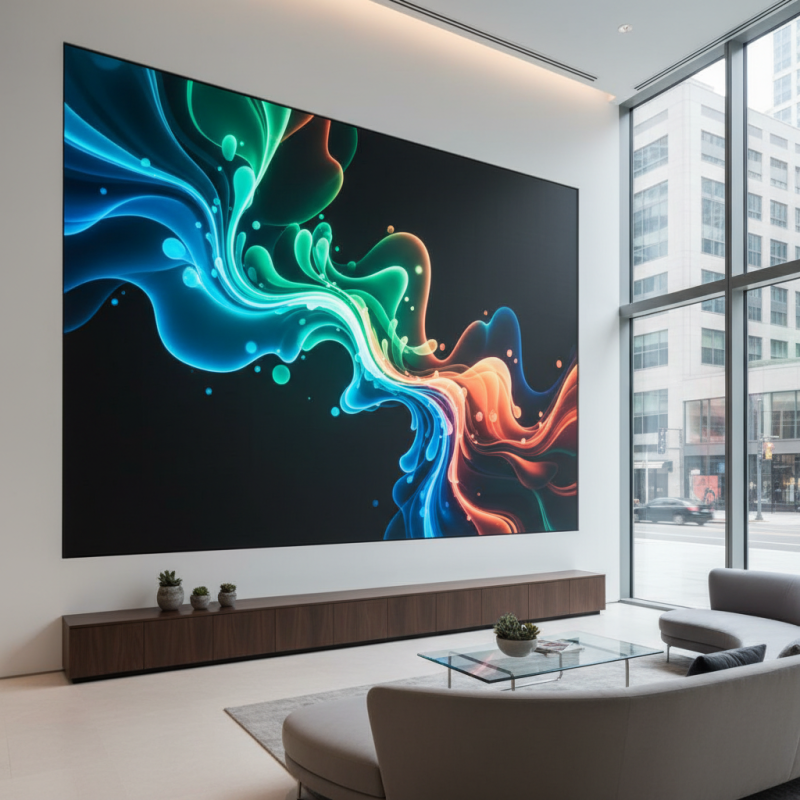
When considering LED screens for your business, it’s important to recognize the different types available today. Indoor LED screens excel in bright environments and are typically used in retail spaces or corporate settings. They provide high resolution and vibrant colors, making your content pop. Outdoor LED screens, on the other hand, are designed to endure various weather conditions. They come with increased brightness and durability, perfect for advertising in busy urban areas.
Another option is the LED wall, often created by combining multiple screens. This setup allows for larger visuals, ideal for events or exhibitions. Furthermore, mesh LED screens offer a unique solution for large venues. They allow airflow and are lightweight, suitable for outdoor installations. However, they may not deliver the same clarity as traditional screens. Investing in the right type depends heavily on how you intend to use the display, so careful consideration is crucial.
Reflecting on how each type suits your needs can be challenging. For instance, an indoor screen might have a great definition but lacks the robustness for outdoor use. Balancing visuals with functionality requires a nuanced approach. Partnering with a reliable supplier can offer insights, but ultimately, understanding your unique needs is key.
Evaluating Your Business Needs and Objectives for LED Screen Use
When considering a LED screen for your business, define your specific needs. Are you aiming to enhance customer engagement? Identify your target audience and determine what type of content will resonate. High foot traffic locations benefit from bright, dynamic displays to grab attention. On the other hand, quieter spaces might opt for informative screens that engage without overwhelming viewers.
Take into account the environment where the LED screen will be used. Outdoor settings require screens with higher brightness levels. Indoor screens may focus on resolution and clarity. Evaluate the layout of your space. Will the screen be viewed from a distance? This affects size and resolution selection. You may find that some solutions look great on paper but fail to deliver live.
Consider your long-term goals. LED screens can be an investment. Will the initial cost align with expected returns? Reflect on maintenance and updates over time. Also, think about how easily the content can be changed. Rigidity can hinder responsiveness to market trends. Be conscious of the balance between cutting-edge technology and practical usability.
Key Technical Specifications to Consider When Choosing LED Screens
Choosing the right LED screen for your business is crucial. The technical specifications can significantly impact your display's effectiveness. Brightness is one key factor. Measured in nits, higher brightness levels are essential for outdoor screens. Indoor screens can manage with less brightness.
Resolution is another critical aspect. Higher resolution screens offer sharper images and clearer text, which is vital for advertisements. Pixel pitch, the distance between pixels, also matters. A smaller pixel pitch provides finer detail.
Consider the refresh rate too. A higher refresh rate means smoother video playback, ideal for dynamic content. Viewing angle affects how well your content is seen from different perspectives. Lastly, durability and power consumption should be evaluated. It's essential to weigh these specifications according to your unique needs and context. Reflecting on these elements can refine your choice, potentially leading to better engagement.
Comparison of LED Screen Types for Business Use
Budgeting and Cost Analysis for Your LED Screen Investment
When budgeting for an LED screen, consider the upfront costs and long-term savings. High-quality displays often have higher initial prices, but they last longer and perform better. This can lead to reduced maintenance costs. Don’t forget to factor in installation and operational expenses. These can add substantial value to your investment.
Evaluate your usage patterns. Will the screen be used consistently or occasionally? Consistent use may justify a more expensive model, while occasional use could mean a moderate investment suffices. Look into features that matter most for your business. Brightness, resolution, and compatibility will influence pricing significantly.
Another critical factor is energy consumption. More efficient screens save money over time. LED screens generally have lower energy costs compared to other technologies, but efficiency varies. Do your research to identify which options align with your budget and needs. Balancing quality, functionality, and cost is essential to make a wise investment that serves your business effectively.
Maintenance and Support Factors for Long-Term LED Screen Performance
When selecting an LED screen for your business, maintenance and support are crucial for long-term performance. Research indicates that regular maintenance can extend the lifespan of an LED display by up to 30%. This highlights the importance of developing a maintenance routine. Dust and environmental factors can affect brightness and color consistency over time. A well-scheduled cleaning process can help ensure optimal visibility.
Support factors also play a vital role. A reliable support system should include timely technical assistance and access to replacement parts. According to industry studies, about 25% of businesses face extended downtime due to lack of support. Hence, investing in a supplier who offers comprehensive support can mitigate potential issues. Regular software updates also enhance performance and security, making it essential to establish a good relationship with support teams.
Many businesses overlook the training of staff who will operate these screens. Inadequate training leads to misuse and unintentional damage. Ensuring staff is well-informed about operating procedures can avoid costly repairs. Implementing feedback systems can identify recurring issues and improve operations. Such steps can make the difference between a thriving and a struggling business.
How to Choose the Best LED Screen for Your Business Needs? - Maintenance and Support Factors for Long-Term LED Screen Performance
| Dimension | Description | Importance |
| Screen Size | Determines visibility and impact in your business environment. | High |
| Resolution | Higher resolution provides clearer images and videos. | Critical |
| Brightness | Essential for visibility in various lighting conditions. | High |
| Refresh Rate | Affects motion clarity; higher rates reduce blurring. | Moderate |
| Maintenance Schedule | Regular checks can prevent major issues and extend life. | Critical |
| Warranty and Support | Good warranty terms and responsive support are vital. | High |
| Power Consumption | Energy-efficient models can reduce long-term costs. | Moderate |
| Installation Flexibility | Options for various mounting solutions enhance versatility. | Moderate |