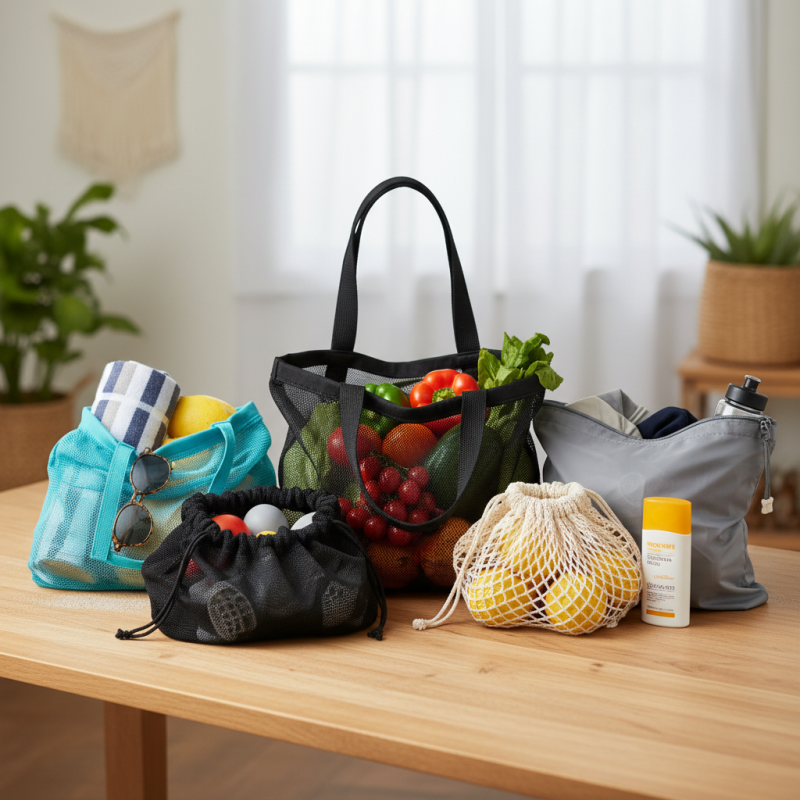
How to Choose the Best Mesh Bag for Your Needs?
Selecting the right Mesh Bag can significantly impact your daily activities. According to a report by Grand View Research, the global reusable bag market is expected to reach $270 billion by 2025. This indicates a growing awareness of sustainability and practicality among consumers.
Mesh bags are versatile and increasingly popular. They are lightweight and breathable, ideal for various purposes like grocery shopping or beach outings. The material often allows for easy cleaning, enhancing durability. However, with so many options available, choosing the right one isn't always straightforward.
Consider your specific needs. Do you require a bag that provides visibility for its contents? Or perhaps one that offers extra strength for heavier items? Each detail matters. Mesh bags come in various styles, sizes, and materials. Reflecting on these choices can lead to more informed decisions.
Identifying Your Specific Needs for a Mesh Bag Purchase
When choosing the best mesh bag, start by identifying your specific needs. Consider what you plan to use the bag for. Will it be for shopping, laundry, or sports equipment? Each purpose requires different bag sizes and features. For example, a bag for groceries should be large and sturdy, while one for laundry needs to be breathable and washable.
Tips: Look for bags with reinforced seams. This ensures they can hold heavier items. Also, think about the bag's closure system. A drawstring closure may keep items secure, while an open-top design can be more convenient for quick access.
Next, evaluate the materials used in the mesh bag. High-quality mesh can withstand wear and tear. It should also be lightweight. However, remember that some cheaper options may not last long. Research customer reviews to gauge durability. Sometimes, you might find a bag that looks perfect but fails after a few uses.
Tips: Test the bag's mesh density. A tighter weave can keep smaller items from falling through. Lastly, think about color and style. This may seem trivial, but a bag you love using will be more functional in your daily routine.
Understanding Different Mesh Materials and Their Benefits
When it comes to selecting mesh bags, understanding the different materials is essential. Mesh bags are commonly made from polyester, nylon, or cotton. Polyester is lightweight and waterproof, making it ideal for outdoor use. Studies show that polyester bags can offer 60% more durability compared to cotton counterparts. This durability means they can hold weight without tearing easily.
Nylon, on the other hand, is known for its strength and flexibility. It is often used in professional settings, where performance is critical. Nylon mesh bags are resistant to abrasion and can endure rough handling. However, their higher cost and lesser breathability might deter some users. Cotton mesh bags are biodegradable and environmentally friendly, but they tend to absorb moisture, potentially leading to mold if not dried properly.
Choosing the right material depends on what you need. Consider where and how you’ll use the bag. Each material has its pros and cons. Some users find themselves frustrated when their choice doesn’t meet their expectations. Careful consideration can lead to a more satisfactory purchase. Understanding material differences is crucial for making an informed decision.
Mesh Material Comparison for Bag Durability and Breathability
Evaluating Size and Volume Capacity for Practical Use
Choosing the right mesh bag involves understanding its size and volume capacity. A recent report highlighted that 60% of users prioritize capacity when selecting storage options. This statistic emphasizes the importance of assessing how much storage space you really need.
Consider the common sizes available. Smaller bags are typically around 10-20 liters, suitable for personal items or gym essentials. Medium-sized bags range from 20-40 liters, often used for day trips. For heavier loads, larger bags can exceed 40 liters. However, bigger isn’t always better. An oversized bag may lead to overloading, making it cumbersome to carry.
Evaluate what you plan to store. For instance, transporting fruits and vegetables requires breathable materials but also space for different shapes. Often, users misjudge the volume needed, resulting in either excess or insufficient capacity. Signs of overpacking can include strain on the bag or difficulty in closure. Aim for a balance between size and practicality.
Assessing Durability: The Importance of Stitching and Reinforcement
When choosing a mesh bag, durability is paramount. The stitching and reinforcement play a critical role in how long your bag will last. A study by the American Bag Association noted that poorly stitched seams can reduce a bag's lifespan by up to 50%. It’s essential to examine the stitching pattern. Double-stitched seams often offer better strength than single stitches. Reinforced areas, especially at stress points, will make a bag more reliable.
Many mesh bags use varying materials that affect durability. There are some bags made of low-quality nylon, which can fray or tear easily. Reports indicate that bags made from high-density polyethylene (HDPE) can outperform standard nylon in durability tests. They typically last longer under harsh conditions. Pay attention to the type of stitching used. Industrial-grade stitching can be a reliable indicator of strength.
Finding balance is key. You want a bag that is strong but also lightweight. Sometimes, the thickest materials are not the best for everyday use. Reflect on how you'll use the bag. If you overpack it, even the best-stitched seams could fail. Consumer feedback often highlights how critical the design and structure are in real-world use. Not all mesh bags are built the same; careful consideration is vital for optimal performance.
Comparing Price Points: Balancing Cost and Quality in Mesh Bags
When selecting a mesh bag, price and quality are crucial factors. A higher price often implies better materials and durability, but this isn't always the case. It's essential to evaluate what you truly need. Examine factors such as size, purpose, and the frequency of use. A bag for occasional use may not need to be as sturdy as one you rely on daily. Therefore, a balance must be struck to ensure you get the best value for your money.
Tips: Consider user reviews and ratings. They can provide insights into the bag's performance and longevity. Look for bags made from UV-resistant materials if you will be using them outdoors. This detail can prolong the life of your purchase, preventing degradation from sun exposure.
A common mistake is overlooking weight capacity. A lighter bag might seem appealing, but it may not support heavier items. Think about what you plan to carry regularly. If you frequently transport heavy objects, choose a mesh bag designed for weight support, even if it costs a bit more. Finding the right mesh bag requires attention to detail and thoughtful consideration of your personal needs.