How to Choose the Best Laser Cutting Machine for Your Needs?
Choosing the right laser cutting machine can be overwhelming. With many options available, it's crucial to understand your specific needs. A quality laser cutting machine can enhance productivity and creativity in your projects.
Consider your materials. Different machines handle various materials, such as metal, wood, or plastic. Think about the thickness and type of material you will work with. Some machines may not perform well with thicker materials. Also, evaluate the machine's precision and speed. A slower machine may suffice for simple tasks but might frustrate you for complex designs.
Budget is another important factor. laser cutting machines come in various price ranges. The most expensive model doesn't always guarantee the best results. Sometimes, a mid-range option can deliver excellent performance for your needs. Reflect on what features truly matter to you. Balancing quality and cost is vital. Make informed choices to meet your expectations and enhance your laser cutting experience.
Understanding Your Project Requirements for Laser Cutting
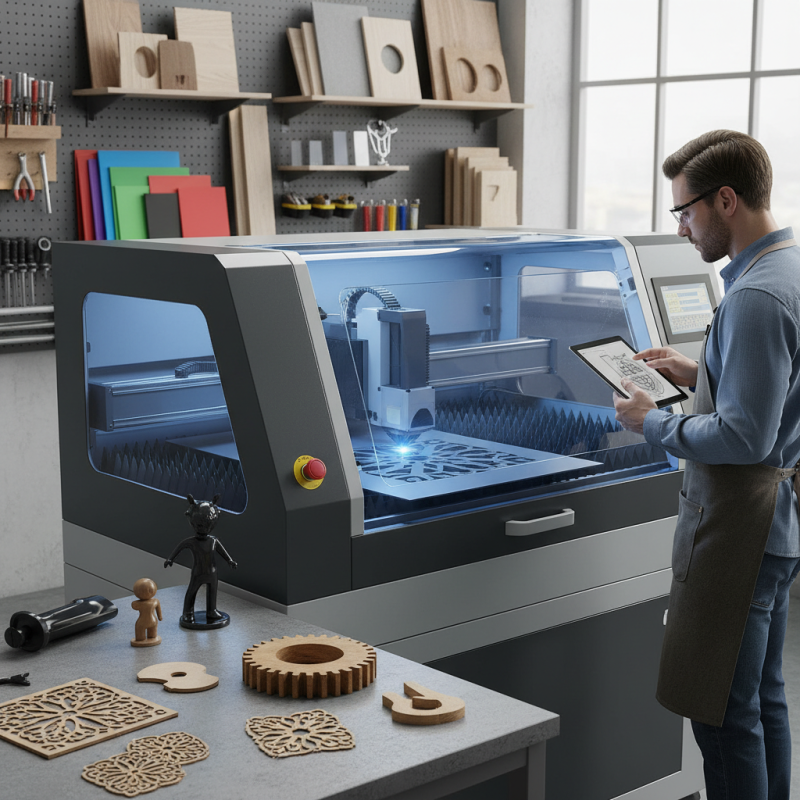
Choosing a laser cutting machine begins with understanding your project requirements. What materials will you cut? Different machines handle varied materials like wood, metal, or acrylic. Consider the thickness you need. Thicker materials often require higher-powered machines. This factor is crucial for achieving clean cuts and avoiding burn marks.
Next, think about the level of detail in your designs. Intricate patterns may need machines with higher precision. A low-precision machine might miss fine details, leading to dissatisfaction. Reflect on your project’s goals. Do you need speed or precision? Sometimes, machines that operate quickly can compromise quality.
Lastly, consider your workspace. Some machines require more room than others. Evaluate your power supply and ventilation needs. While larger machines offer versatility, they also demand more resources. Balancing space, power, and budget can be tricky. Think critically about your long-term needs versus immediate projects to make an informed decision.
Types of Laser Cutting Machines and Their Applications
When considering laser cutting machines, understanding the various types is crucial. There are CO2, fiber, and crystal laser cutting machines, each serving different purposes. CO2 lasers are typically used for organic materials like wood and acrylic. According to industry data, these lasers account for approximately 50% of the market due to their versatility and efficiency. Fiber lasers, on the other hand, excel in cutting metals. Their energy efficiency can reach up to 80%, making them a cost-effective choice. This is particularly significant as energy costs rise.
Crystal lasers are less common but have unique applications in specialized industries. They're effective for precision work on materials that require a tighter tolerance. However, these machines often come with a higher initial cost and maintenance requirements. Users need to assess their specific needs and workloads. A misjudgment here can lead to overspending or inefficiency. While some may not fully understand the operational nuances, taking the time to research can lead to better decision-making.
One aspect often overlooked is the software compatibility. Not all machines integrate seamlessly with design software, which can hinder productivity. A common pain point is the learning curve associated with new technology. Users may underestimate this factor, only to face challenges later. It's vital to balance machine capabilities with operational needs, ensuring that technical support and training options are also part of the decision process.
Key Features to Consider When Selecting a Laser Cutter
When selecting a laser cutter, you must consider key features. Power is essential, influencing cutting speed and material thickness. A machine with 50-150 watts can effectively cut wood, acrylic, and metals. Data shows that machines above 100 watts outperform others in speed.
Table size impacts what projects you can handle. A larger table accommodates bigger materials. Many users overlook this, leading to frustration. Speed settings are crucial too. High speeds fit simple designs, while detailed cuts require slower settings.
Precision is another core feature. Look for machines with a tolerance of ±0.1 mm. This ensures clean cuts, especially for intricate projects. Cooling systems prevent overheating, prolonging machine life. Many overlook regular maintenance, which can lead to performance issues. Always evaluate your specific needs against these features.
Key Features to Consider When Selecting a Laser Cutter
Budgeting for Your Laser Cutting Machine Purchase
When budgeting for a laser cutting machine, consider several key factors. The initial price can greatly vary, with machines ranging from a few thousand to tens of thousands of dollars. According to a report from the International Laser Cutting Association, the average cost of a mid-range machine is around $20,000. However, hidden costs can inflate this number.
Operational costs should also be factored in. Maintenance and material expenses can add significantly to your budget. For instance, a study found that operational costs can be up to 30% of the machine's purchase price annually. Additionally, don’t underestimate the costs of training staff to operate the equipment effectively. This is crucial for maximizing efficiency and minimizing waste.
Choosing the right machine also involves indirect costs. Poor performance due to an unsuitable machine can lead to lost production time and reduced profitability. A report by the Laser Institute of America revealed that businesses often overlook these aspects, resulting in increased expenses over time. Make sure you evaluate both the machine's capabilities and your operational needs carefully.
Maintenance and Support Options for Laser Cutting Machines
When choosing a laser cutting machine, maintenance and support should be high on your list. Regular maintenance is crucial for optimal performance. It helps prevent costly downtime. Finding a reliable service provider is equally important. Look for one with experience in your specific type of machine.
Support options vary widely. Some manufacturers offer comprehensive plans, while others may provide limited support. It’s wise to ask about warranty details and response times. Live chat or phone support can greatly ease troubleshooting. Think about training services too. Proper training can minimize mistakes and enhance productivity.
Be aware, however, that not all support options are equal. Sometimes, you may encounter long wait times. Some providers may lack the necessary expertise. It’s important to assess the quality before making your choice. Ultimately, a machine is only as good as the support that backs it. Consider this carefully when making your decision.