What is Cable Harness Assembly and Why is it Important?
Cable harness assembly plays a pivotal role in various industries, especially in electronics and automotive sectors. According to John Smith, a renowned expert in cable assembly solutions, “A well-designed cable harness is crucial for operational efficiency.” This highlights the significance of cable harness assembly in ensuring the reliability of complex systems.
The process involves organizing and connecting multiple wires into a single unit. This organization minimizes confusion and maximizes efficiency during installation. However, many neglect the importance of quality in this assembly. Poorly designed harnesses can lead to failures and increased maintenance costs. Such outcomes stem from rushed decisions or lack of expertise in the assembly process.
Attention to detail is key. Each wire needs a purpose and a clear path. Without this clarity, issues arise that can compromise entire projects. In an industry that emphasizes precision, skipping this step is a mistake. Therefore, investing time and resources into cable harness assembly cannot be undervalued. Ensuring high-quality assembly ultimately leads to better performance and reliability across various applications.
What is Cable Harness Assembly: Definition and Components
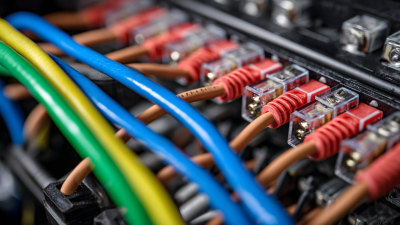
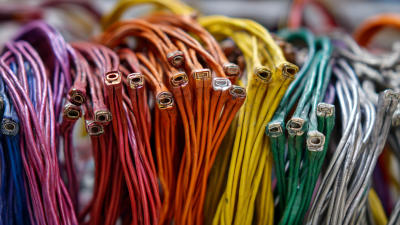
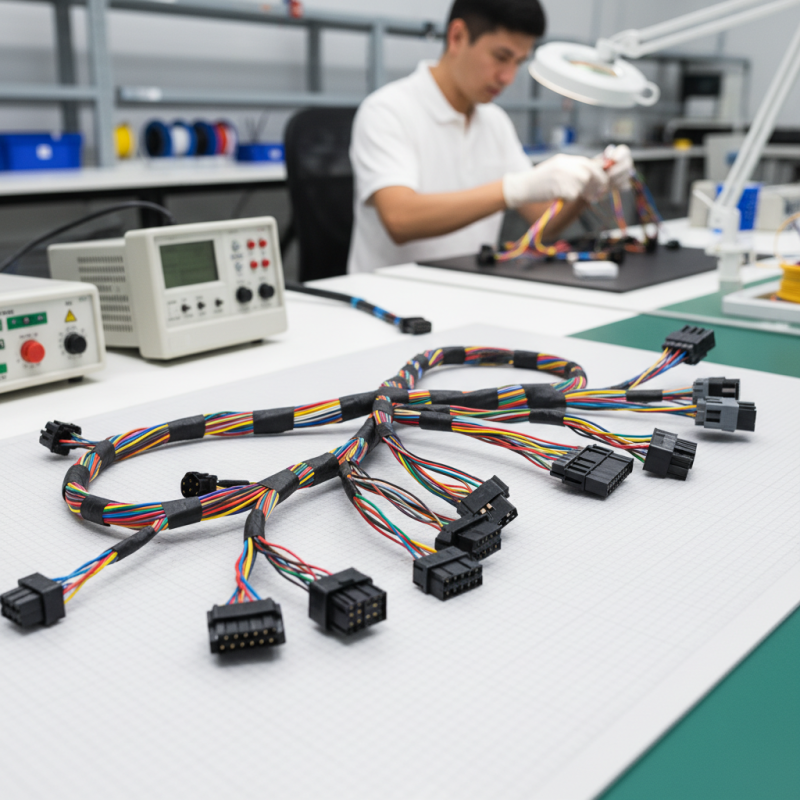
Cable harness assembly is a critical component in many industries, integrating multiple wires and cables within a protective sheath. This assembly can include connectors, terminals, and various accessories. Each part works together to ensure efficient electrical performance. Cable harnesses provide a streamlined approach to organizing electrical connections, reducing the risk of wear and tear.
The key components of a cable harness include wires, connectors, and protective coverings. Wires carry electrical signals and power. Connectors allow for easy assembly and disassembly, while protective coverings shield components from environmental factors like moisture and heat. Selecting the right materials is essential for durability and performance. A well-designed harness can simplify installation, but poor choices can lead to failures.
Despite their advantages, cable harness assemblies can pose challenges. Mismanagement during design can lead to overly complex arrangements. This may cause maintenance difficulties in the future. Additionally, the assembly process requires precision. Any mistakes can lead to significant issues in the final product. Continuous evaluation of design and assembly practices is crucial for improvement.
The Manufacturing Process of Cable Harness Assemblies: Steps Involved
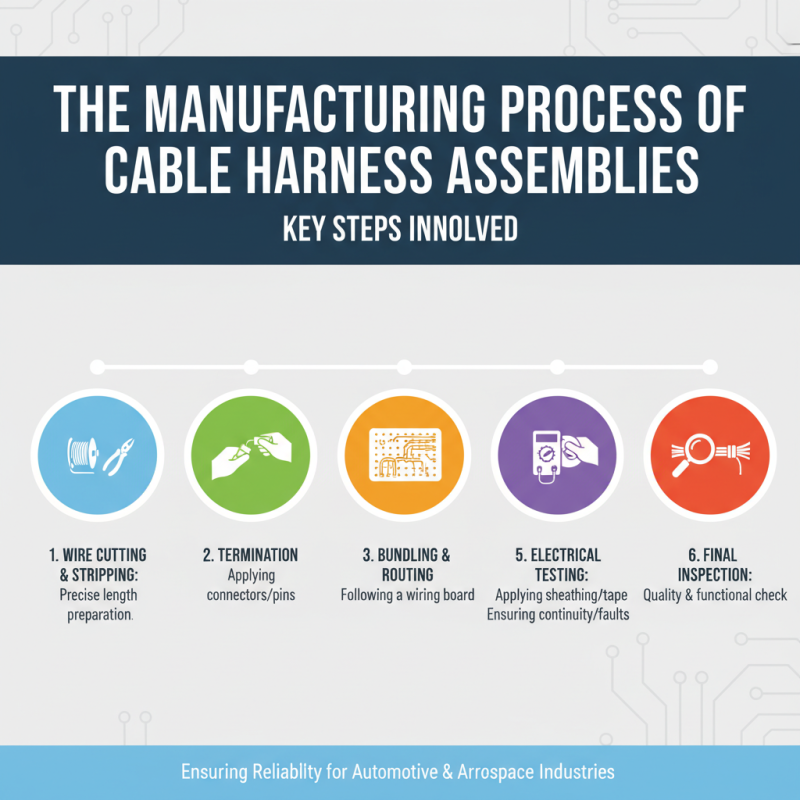
Cable harness assembly is a crucial component in various industries, including automotive and aerospace. The manufacturing process involves several essential steps that ensure the reliability and functionality of the final product.
Initially, designing the cable harness is key. Engineers create detailed schematics that outline the cable layout, including connectors and lengths. This step requires a deep understanding of electrical systems and the specific needs of each application. Following the design phase, the selection of materials is critical. High-quality wires and connectors are necessary to meet durability standards.
After materials are chosen, the actual assembly begins. Technicians cut wires to the desired lengths, strip the ends, and attach connectors. This requires precision. Properly crimping connectors is vital for ensuring a strong electrical connection. During assembly, it’s important to maintain organization. Labeling individual wires can save time and prevent errors in the later stages.
Tip: Always double-check measurements. Even slight errors can lead to significant problems down the line.
The final step involves testing the assembled harness. Quality assurance checks are critical. These tests ensure that the harness meets safety and performance standards. An overlooked or faulty harness can lead to failures in the entire system it powers.
Tip: Keep a checklist during the testing phase. This can help identify missing steps and avoid costly mistakes.
Key Industries Utilizing Cable Harness Assemblies and Their Applications
Cable harness assemblies are vital across multiple industries, ensuring efficient electrical connectivity. In the automotive sector, these assemblies connect various components like sensors, lights, and control units. A well-designed harness can reduce wiring errors and streamline manufacturing. Additionally, in aerospace, cable harnesses are critical for avionics. They must withstand extreme conditions while ensuring reliable performance.
The medical industry also heavily relies on cable harness assemblies. They are integral to devices that monitor patient health. These assemblies ensure secure connections between sensitive equipment and power sources. Challenges arise when designing harnesses to fit in compact spaces. Engineers must balance functionality with space constraints.
Telecommunications represents another key area. Here, cable harnesses facilitate connections in complex networks. High-speed data transmission relies on these assembled cables. However, ensuring durability and adaptability poses ongoing challenges. As technology advances, so must cable harness designs to meet evolving needs.
Importance of Quality Control in Cable Harness Assembly Production
Quality control in cable harness assembly is crucial for ensuring product reliability. Every connection and component must meet strict standards. A small mistake can lead to significant failures in devices or vehicles. This emphasizes the need for thorough inspections at every stage of production.
The assembly process involves various components, including wires, connectors, and insulation materials. Each part must be tested for durability and performance. Quality control measures help identify issues early, preventing costly recalls. Employees should be trained regularly on quality standards to maintain high production levels.
Moreover, monitoring techniques can evolve. Not all established practices work perfectly in every situation. Adaptability is essential. Regular feedback loops can create better protocols. Continuous improvement contributes to better overall quality. In essence, maintaining a focus on quality control can distinguish a manufacturer in the competitive market.
Future Trends in Cable Harness Technology: Innovations and Challenges
The future of cable harness technology is shaped by rapid innovation and emerging challenges. Industry reports indicate that the global cable harness market is projected to grow at a CAGR of 6.5%, reaching $52 billion by 2026. This growth is driven by advances in automation and the increasing complexity of electronic systems. For instance, electric vehicles and smart appliances demand more sophisticated cable management solutions.
Innovations such as lightweight materials and modular designs are becoming crucial. These developments enhance performance while reducing weight, which is essential in industries like aerospace and automotive. On the flip side, manufacturers face hurdles, including supply chain disruptions and the need for sustainable materials. The sourcing of eco-friendly components is still a work in progress. Attention to detail is vital in meeting these challenges.
Tips for businesses in this sector include investing in R&D to stay ahead of trends. Explore partnerships with tech startups to leverage new technologies. Stay informed about regulations related to environmental impact. Developing a proactive approach will foster reliability and trust in cable harness assemblies. The future demands agility and adaptability to navigate ongoing innovations subtly and effectively.