Top 10 Benefits of Using a Cooling Tower for Industrial Needs?
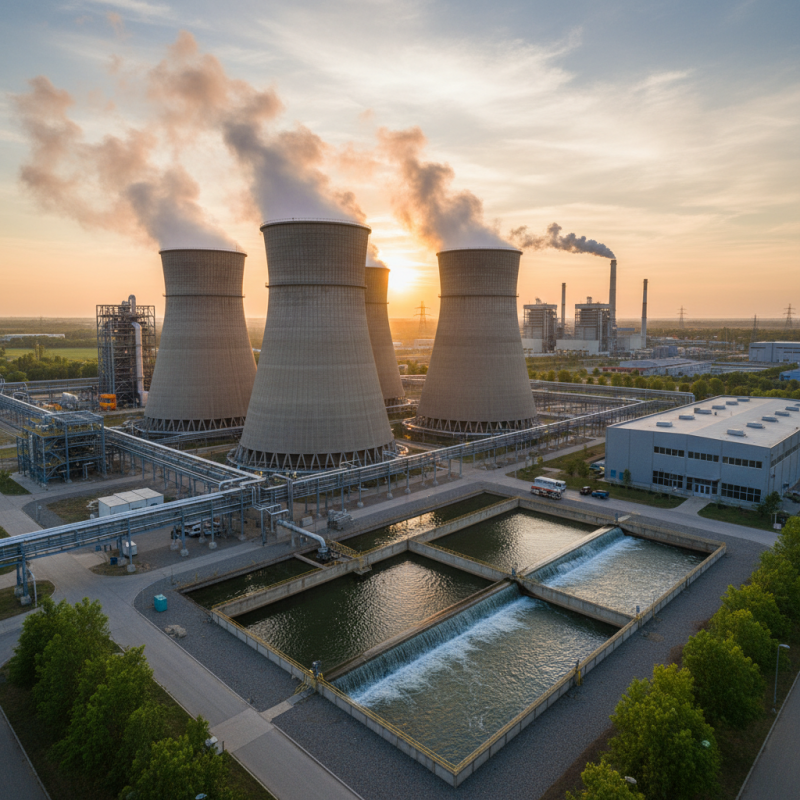
cooling towers play a vital role in many industrial applications. They provide an effective cooling solution for processes that generate excess heat. By using a cooling tower, industries can maintain optimal operating temperatures and enhance efficiency.
The advantages of cooling towers extend beyond just temperature control. They help in conserving water, reducing energy costs, and improving equipment lifespan. These towers work by dissipating heat into the atmosphere, utilizing evaporation. This natural process proves beneficial in diverse settings, from power plants to manufacturing facilities.
Despite their many benefits, cooling towers also require careful management. Regular maintenance is crucial to avoid inefficiencies. Neglect can lead to issues such as scaling and algae growth. Industries must remain vigilant and proactive to maximize the advantages of their cooling towers. This balance of benefits and responsibilities is critical for effective industrial operations.
Benefits of Enhanced Energy Efficiency in Cooling Towers
Cooling towers play a crucial role in industrial applications. Their ability to enhance energy efficiency is particularly noteworthy. By using a cooling tower, industries can significantly reduce their energy consumption. This reduction translates directly into lower operating costs, benefitting both the company and the environment.
Enhanced energy efficiency is achieved through improved heat exchange processes. Cooling towers use water to absorb heat efficiently. This method requires less energy compared to traditional cooling systems. As temperatures rise, these towers adapt, optimizing their performance. However, not all facilities utilize them properly. Regular maintenance is essential to ensure peak performance and avoid inefficiencies.
Investing in energy-efficient cooling systems is vital. The upfront costs can be daunting, but the long-term savings are often substantial. Some may overlook the need for periodic assessments, which can lead to wasted energy. Addressing these gaps can foster better outcomes. Industries must be mindful of their energy usage to enhance overall sustainability.
Reduction of Water Usage Through Efficient Cooling Systems
Cooling towers play a crucial role in industrial settings by optimizing water usage. These systems significantly reduce the amount of water needed for cooling processes. By recycling water, they help industries save resources and lower their operational costs. Efficient cooling systems can minimize evaporation losses, ensuring that water is used wisely.
However, there are challenges that come with these systems. Maintenance can be complex, and regular checks are necessary to ensure optimal performance. If not properly managed, cooling towers may lead to water quality issues. This necessitates ongoing investment in monitoring and maintenance. Industries need to strike a balance between efficient cooling and sustainable practices.
Effective water management requires a commitment to best practices and regular assessments.
Improvement of Industrial Process Reliability and Operation
Cooling towers play a significant role in enhancing the reliability of industrial processes. They operate by dissipating heat, which can improve equipment performance. With effective temperature control, machines can function optimally. This reduces the chances of unexpected breakdowns.
Moreover, consistent cooling leads to stable operating conditions. Fluctuations in temperature can lead to process inefficiencies. When cooling systems are reliable, it minimizes downtime. Workers can focus on their tasks without worrying about equipment overheating. It’s essential to maintain these cooling systems properly. Neglect can lead to reduced efficiency or even system failure.
In addition, cooling towers help in energy conservation. They use water to absorb heat, which is often more efficient than air cooling. However, they require regular monitoring to prevent issues such as algae growth. This not only affects performance but can introduce risks. Ensuring the system is clean and well-maintained is crucial for optimal operation. Balancing cost and maintenance can be challenging, yet vital for long-term success.
Minimized Environmental Impact with Sustainable Cooling Solutions
Cooling towers serve as a vital component in industrial operations, contributing significantly to sustainable practices. They effectively dissipate heat into the atmosphere, allowing processes to function efficiently. Utilizing evaporative cooling technology, they minimize the use of freshwater resources. This is crucial in regions experiencing water scarcity.
The environmental benefits of cooling towers extend beyond water conservation. They can lower energy consumption, reducing greenhouse gas emissions. Moreover, these towers can help industries comply with strict environmental regulations. However, the initial setup and maintenance require careful planning and investment. Some facilities struggle with optimizing their cooling systems, leading to inefficiencies.
A successful operation depends on regular assessments and adjustments to ensure peak performance. Without this vigilance, potential issues may arise, like drift loss or inadequate cooling. Addressing these challenges can involve learning from past mistakes. Ultimately, fostering a culture of sustainability in industrial cooling is essential for minimizing environmental impact.
Cost Savings Through Reduced Maintenance and Operational Expenses
Cooling towers are vital for many industrial processes. They help manage heat produced during operations. One major advantage is cost savings. Companies can slash their maintenance expenses over time. This reduction often stems from fewer breakdowns and minimal repairs.
Operational expenses also decline when using a cooling tower. These systems optimize water usage, leading to lower utility bills. Moreover, the efficient cooling process can extend equipment life. It means less frequent replacements are necessary. However, it's important to remember that without proper care, a cooling tower can become inefficient.
Regular maintenance is crucial. Neglecting this can increase costs rather than decrease them. Companies might face unexpected shutdowns, leading to lost production time. Overall, while cooling towers offer significant benefits, they require attention and proper upkeep to realize those savings fully.