Top Benefits of Oil Immersed Distribution Transformers for Buyers?
The rising demand for reliable electricity distribution has led to the increased adoption of Oil Immersed Distribution Transformers (OIDTs). According to recent market reports, the global transformer market is projected to grow at a CAGR of 6% between 2023 and 2028, highlighting the crucial role of OIDTs in meeting this demand. These transformers are designed to offer superior performance in various environmental conditions, making them a preferred choice for many utility companies.
One key advantage of Oil Immersed Distribution Transformers is their efficient cooling system. By immersing the transformer windings in oil, these devices can effectively dissipate heat, leading to improved operational longevity. A study from the International Energy Agency confirms that OIDTs can operate at lower temperatures, thus extending their lifespan and reducing maintenance costs. However, buyers must consider factors like initial costs versus long-term benefits when making their selection.
Additionally, OIDTs contribute to a more sustainable energy landscape. Unlike dry-type transformers, they are often more compact and can be installed in confined spaces. This adaptability makes them ideal for urban environments. Nonetheless, prospective buyers should carefully assess their specific needs and weigh the advantages against potential concerns, such as the environmental impact in the event of oil leaks. Overall, Oil Immersed Distribution Transformers represent a blend of efficiency and reliability pivotal for modern energy systems.
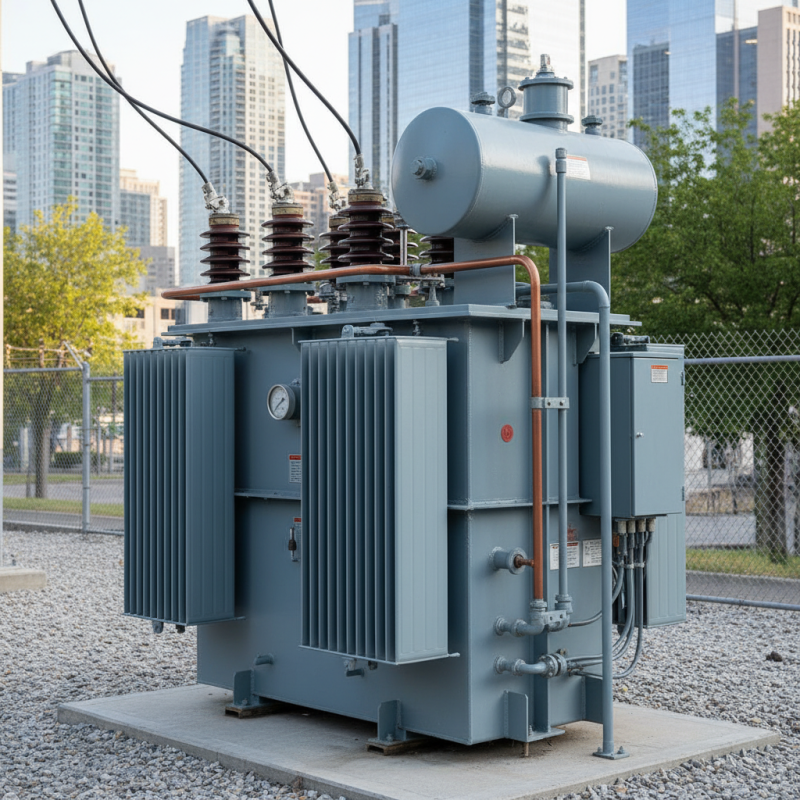
Key Advantages of Oil Immersed Distribution Transformers
Oil immersed distribution transformers (OIDTs) offer essential benefits for buyers seeking reliable energy solutions. One of the standout advantages includes improved cooling efficiency. The oil used in these transformers provides superior thermal conductivity. Reports indicate that OIDTs can handle greater loads without overheating, which extends their lifespan. With an effective heat dissipation of about 30% more than air-cooled units, users can rely on them for consistent performance.
Another significant advantage is the durability of these transformers. OIDTs are designed to withstand harsh environmental conditions. They often come with a robust construction that resists corrosion and water ingress. Data shows that these transformers can last 30 years or more with minimal maintenance. This longevity translates into lower replacement costs and reduced downtime in electrical distribution.
Despite these strengths, OIDTs might require more upfront investment compared to dry-type transformers. However, buyers should weigh long-term savings against initial costs. Technological advancements also keep improving their efficiency and decreasing environmental impacts. While they are generally effective, it’s crucial for buyers to assess both immediate and future needs. This reflective approach ensures better decision-making in energy resource management.
Top Benefits of Oil Immersed Distribution Transformers for Buyers
| Benefit | Description | Impact |
| Improved Cooling Efficiency | Oil immersion provides better heat dissipation, improving transformer performance. | Enhances lifespan and reduces maintenance costs. |
| Higher Voltage Tolerance | Oil can withstand higher voltages compared to air, reducing breakdown risks. | Ensures reliable operation in high voltage applications. |
| Reduced Noise Levels | Oil immersion helps dampen vibrations, leading to quieter operation. | Improves working conditions in residential areas. |
| Longer Service Life | Minimizes oxidation and degradation of components due to oil’s properties. | Increases overall return on investment for users. |
| Environmental Protection | Oil acts as an insulator, reducing risks of electrical hazards. | Promotes safer installations in sensitive areas. |
Enhanced Efficiency and Performance Attributes
Oil immersed distribution transformers are gaining popularity due to their enhanced efficiency and performance attributes. These transformers operate more effectively by utilizing oil as both an insulator and coolant. This dual function reduces operational losses and extends the lifespan of the transformer, making it a reliable choice for various applications.
One notable benefit is their superior heat management. The oil absorbs heat generated during operation, preventing overheating. This feature is crucial for maintaining consistent performance. Buyers should consider installation conditions carefully. Proper placement can optimize the cooling effect of the oil and ensure efficient performance.
Additionally, oil immersed transformers often exhibit lower noise levels compared to their dry-type counterparts. This is an appealing factor for installations near residential areas. However, regular maintenance is necessary to avoid potential leaks and ensure safety. It's essential for buyers to evaluate their maintenance capabilities before making a decision.
Tips: Monitor oil levels periodically to detect any signs of leakage early. Also, schedule routine inspections to ensure that the transformer's performance remains optimal.
Improved Thermal Management and Cooling Capabilities
Oil immersed distribution transformers are gaining attention due to their enhanced thermal management and cooling capabilities. These transformers use oil as a coolant, effectively dissipating heat generated during operation. According to a report from the International Energy Agency, properly managed heat can extend transformer life by 10% or more. This is critical in preventing unexpected failures in power distribution systems.
Thermal performance is further improved by the design of these transformers. Oil immersion lowers the risk of overheating, an issue that can significantly reduce efficiency. Data indicates that transformers operating under optimal thermal conditions maintain up to 98% efficiency. This statistic drives many buyers to consider oil immersed transformers for long-term reliability and performance.
While the benefits are clear, there are challenges in deploying oil immersed transformers. Maintenance is crucial; regular checks are needed to prevent leaks and ensure oil quality. Moreover, the initial setup can be costlier compared to dry-type transformers. With careful management of these aspects, buyers can maximize the advantages of improved thermal management and cooling.
Reduced Noise Levels and Environmental Impact
Oil immersed distribution transformers are gaining attention for their reduced noise levels and lower environmental impact. According to the IEEE, these transformers can produce noise levels as low as 50 dB, significantly quieter than air-cooled variants. This reduction can enhance the comfort of nearby neighborhoods and workplaces. Buyers will appreciate that lowered noise levels not only improve living conditions but also comply with stringent urban noise regulations.
Additionally, oil immersion helps manage thermal conditions more efficiently. The insulating oil has a better heat dissipation capacity compared to air, which can prolong the transformer's lifespan. A study by the International Council on Large Electric Systems suggests that oil immersed transformers have a failure rate of 2% less than dry-type versions. This longevity contributes to reduced material waste, aligning with sustainability efforts. Buyers can feel confident in both the operational efficiency and the eco-friendliness of their investment.
However, while oil immersed transformers offer several advantages, it’s essential to consider the potential for oil leaks. Proper maintenance is crucial. Buyers should ensure regular inspections to safeguard against environmental contamination. This reflection on operational diligence highlights the necessity of responsible management in utilizing advanced technology.
Longer Lifespan and Maintenance Benefits for Users
Oil immersed distribution transformers are known for their durability. One key benefit is their longer lifespan. The oil acts as a coolant and insulator. This reduces wear and tear, leading to fewer replacements. Users often notice that these transformers last significantly longer than dry-type ones.
Maintenance is another critical advantage. Oil immersed transformers require less frequent servicing. The oil helps to mitigate issues like overheating. Users can save costs in the long term due to reduced maintenance needs. However, it is crucial to monitor oil levels and quality regularly.
While there are clear benefits, challenges exist. For instance, potential oil leaks can occur. Users need to be proactive in addressing this. Regular maintenance checks are essential. This ensures that the transformer operates effectively. Investment in oil immersed transformers can be wise, provided users are committed to diligent care and oversight.
Top Benefits of Oil Immersed Distribution Transformers
This chart illustrates the top benefits of oil immersed distribution transformers as perceived by users, highlighting their advantages in lifespan, maintenance, efficiency, performance, and protection.
Conclusion
Oil Immersed Distribution Transformers offer several compelling benefits for buyers, making them a preferred choice in various applications. One of the key advantages is their enhanced efficiency, which leads to improved performance attributes and can result in lower operational costs. Their superior thermal management and cooling capabilities ensure optimal functioning even in demanding environments, contributing to safety and reliability.
Moreover, these transformers operate at reduced noise levels, minimizing their environmental impact and making them suitable for urban installations. The extended lifespan of Oil Immersed Distribution Transformers further translates into fewer maintenance requirements, providing users with significant long-term benefits. Additionally, the cost-effectiveness and potential return on investment make these transformers an attractive option, ensuring that purchasers can achieve both performance and economic advantage.