What are the Benefits of CNC Milling for Global Buyers?
CNC Milling has emerged as a pivotal manufacturing process for global buyers, offering precision and efficiency. According to industry reports, the CNC machining market is projected to reach $100 billion by 2026. This growth is fueled by the demand for high-quality parts in sectors like aerospace, automotive, and electronics. CNC Milling stands out by delivering intricate designs and tight tolerances that manual methods often cannot achieve.
However, while the benefits are clear, challenges persist. The initial investment in CNC machinery can be substantial. Additionally, businesses may face a skill gap in effectively operating these advanced machines. Yet, the long-term cost savings and production efficiency often outweigh these hurdles. The reliance on CNC Milling is growing, but companies need to be prepared for the learning curve involved.
Moreover, manufacturers must ensure continuous adaptation to new technologies. In an era of rapid innovation, staying updated is crucial. With the right strategies in place, CNC Milling can significantly enhance a company's competitive edge in the global market. It represents not just a trend but a necessity for future-focused organizations.
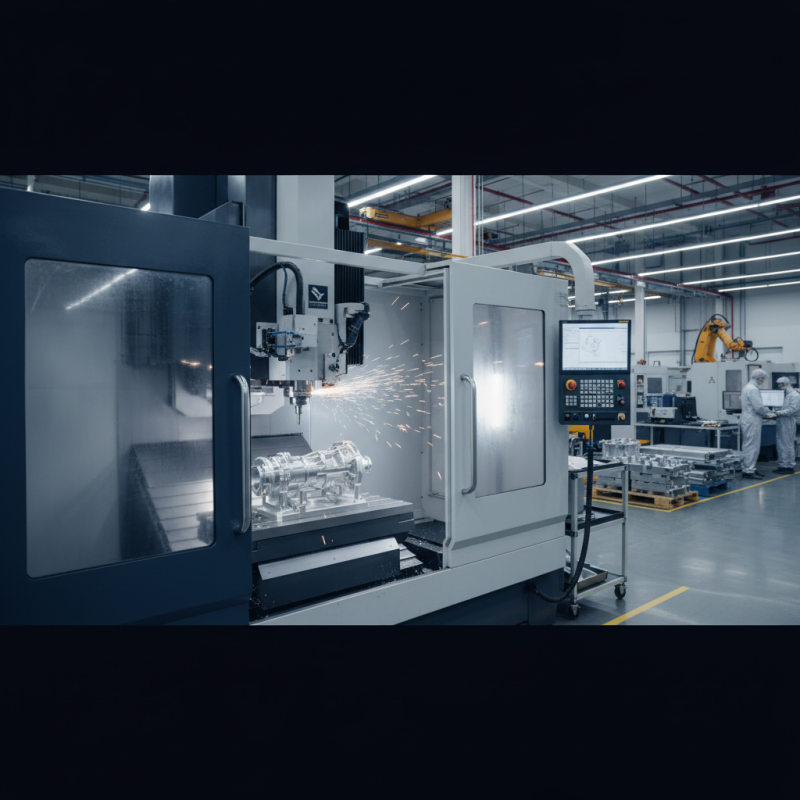
Benefits of CNC Milling in Precision Manufacturing
CNC milling stands out in precision manufacturing for its precision and efficiency. This manufacturing method offers unparalleled accuracy in creating complex parts. It allows for tight tolerances, ensuring that each component fits seamlessly into larger assemblies. The automation in CNC milling reduces human error, enhancing consistency across production runs.
One crucial tip for global buyers is to understand the type of materials best suited for CNC milling. Metals like aluminum and steel offer durability. Plastics can be machined as well, but their applications differ. Choosing the right material impacts the final product's performance.
Another consideration is the machine's capabilities. Different CNC mills have varying specifications. Buyers should assess their project needs carefully. Is high-speed cutting essential? How intricate are the designs? This reflection helps in making informed decisions. The choice of machine directly influences the production quality and timeline. Overall, precision in CNC milling opens doors for innovative manufacturing solutions.
What are the Benefits of CNC Milling for Global Buyers?
| Benefit | Description | Impact on Global Buyers |
| High Precision | CNC milling provides unmatched accuracy in dimensions and tolerances. | Ensures consistent quality in product manufacturing. |
| Cost-Effectiveness | Reduces waste and labor costs through automated processes. | Lower production costs lead to competitive pricing in the market. |
| Flexibility | Easily adapts to design changes or different projects. | Allows buyers to pivot quickly to market demands. |
| Speed | Faster production times compared to traditional machining. | Improves time-to-market for new products. |
| Consistency | Delivers uniform results every time, minimizing defects. | Enhances buyer trust in product quality. |
| Technical Support | Access to skilled technicians and support for troubleshooting. | Provides assurance and reduces downtime for buyers. |
Cost-Effectiveness of CNC Milling for Global Buyers
CNC milling offers significant cost-effectiveness for global buyers. With the automation of machining processes, companies can reduce labor costs substantially. A report by the Association for Manufacturing Technology indicates that CNC technology can lower production costs by up to 30%. This is especially advantageous for small to medium-sized enterprises looking to stay competitive.
The precision of CNC milling enhances product quality. Accurate machining reduces material waste, which lowers expenses further. A study by the National Institute of Standards and Technology found that improved precision can save manufacturers up to 20% in material costs. This not only boosts profits but also contributes to sustainable practices within the industry.
Tip: Always analyze your material requirements before starting a project. Understanding your needs can prevent over-ordering and waste.
Investing in CNC milling machines can pay off quickly. Although the initial setup costs can be high, the long-term savings in labor and material significantly offset these expenses. However, companies must weigh the investment against their production needs. Regular maintenance and updates are necessary to maintain efficiency, which can be an ongoing expense.
Tip: Keep track of your machine performance. Monitoring can identify issues early and help maintain low operational costs.
Enhanced Production Speed and Efficiency through CNC Milling
CNC milling revolutionizes production processes. This technology enhances speed and efficiency for global buyers. With CNC mills, manufacturers can produce parts with high precision and reduced lead times. The automation allows for repeatable accuracy that manual processes cannot match.
Quick turnaround times are a significant advantage. Buyers benefit from shorter production cycles, enabling them to meet tight deadlines. CNC milling can operate continuously, which minimizes downtime. However, this technology requires skilled operators who understand machine programming and maintenance.
Despite its many benefits, CNC milling is not without challenges. Initial setup can be complex. There may be a learning curve for companies transitioning to this technology. Over-reliance on automation can lead to operational hiccups without proper oversight. It is essential to balance technology with human expertise for optimal results.
Customization and Flexibility in CNC Milling Operations
CNC milling offers unparalleled customization and flexibility, essential for global buyers in various industries. A report by MarketsandMarkets highlights that the CNC machining market is expected to reach $100 billion by 2025, driven largely by the demand for tailor-made solutions. This adaptation allows manufacturers to produce complex geometries and intricate designs, meeting specific client needs without sacrificing productivity.
The ability to modify designs quickly enhances responsiveness. According to the International Journal of Advanced Manufacturing Technology, 90% of manufacturers recognize the importance of rapid prototyping capabilities. CNC milling facilitates this by allowing for iterations without the lengthy setup times traditionally associated with manual machining. Buyers can make adjustments on the fly, ensuring that the final product aligns with exact specifications.
However, customization does come with challenges. Increased complexity can lead to higher costs and longer lead times if not managed properly. A 2022 industry survey indicated that 30% of businesses experienced difficulties in scaling custom production due to these factors. Finding the right balance between customization and efficiency remains critical for global buyers aiming for competitiveness in an evolving market.
Quality Control and Consistency in CNC Milling Processes
CNC milling is a powerful tool for ensuring quality control in manufacturing. Buyers can expect precise dimensions and consistent finishes with each part produced. The machines operate with high accuracy, minimizing human error. This leads to tighter tolerances and more reliable outputs. Consistency is crucial in industries like aerospace and automotive, where safety and performance are paramount.
However, achieving perfect quality can be more complex than it seems. Variations in materials can affect the final product. Even with advanced machines, slight fluctuations in tooling can lead to inconsistencies. It's essential for manufacturers to monitor these variables closely. Regular maintenance of CNC machines is vital. Neglecting this can compromise the benefits of CNC milling.
Quality control extends beyond the production line. Documentation and reporting are critical for tracking standards. Engaging with skilled operators enhances the process. Their expertise often reveals insights that technology alone cannot. Continuous improvement should be the goal. Embracing feedback loops can highlight areas needing adjustment or refinement. Such practices ensure long-term success in CNC milling endeavors.