2026 Best Cable and Harness Assembly Manufacturers?
Selecting the 2026 best cable and harness assembly manufacturers requires more than comparing factory size or website claims. Buyers need evidence from production floors, inspection records, engineering teams, and delivered assemblies. A polished brochure cannot show whether a terminal is crimped correctly at 6 a.m. on a busy production line.
W. Edwards Deming, a leading manufacturing-quality authority, said, “Quality comes not from inspection, but from the improvement of the production process.” His principle remains highly relevant to cable and harness assembly. Strong manufacturers control wire preparation, crimp height, pull-force testing, labeling, routing, and final continuity checks. They also document changes. That detail matters.
This guide examines manufacturers through practical criteria. These include technical capability, material traceability, testing discipline, capacity, communication, certifications, and experience with demanding applications. Automotive, aerospace, medical, industrial, and energy projects do not share the same risk profile. A supplier that performs well in one sector may struggle in another.
No ranking is perfectly permanent. Markets change. Equipment ages. Staff turnover affects consistency. Even reliable suppliers can miss a target during rapid growth. That is worth admitting.
Our evaluation therefore looks beyond low prices and impressive equipment lists. It considers how each company handles drawings, prototypes, engineering changes, production delays, and corrective actions. The best partner is not always the largest manufacturer. It is the one that repeatedly delivers safe, traceable, and application-ready assemblies when the details become difficult.
What Are Cable and Harness Assemblies?
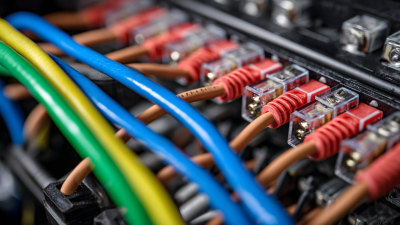
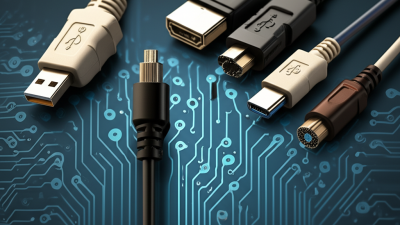
Cable and harness assemblies are organized groups of wires, cables, terminals, and protective materials. They transfer power or signals between connected parts. A cable usually contains one or more conductors inside an outer jacket. A harness combines several wires into a controlled route. It may include connectors, clips, labels, sleeving, and strain relief.
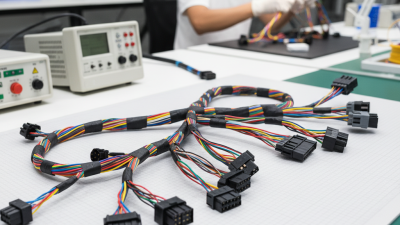
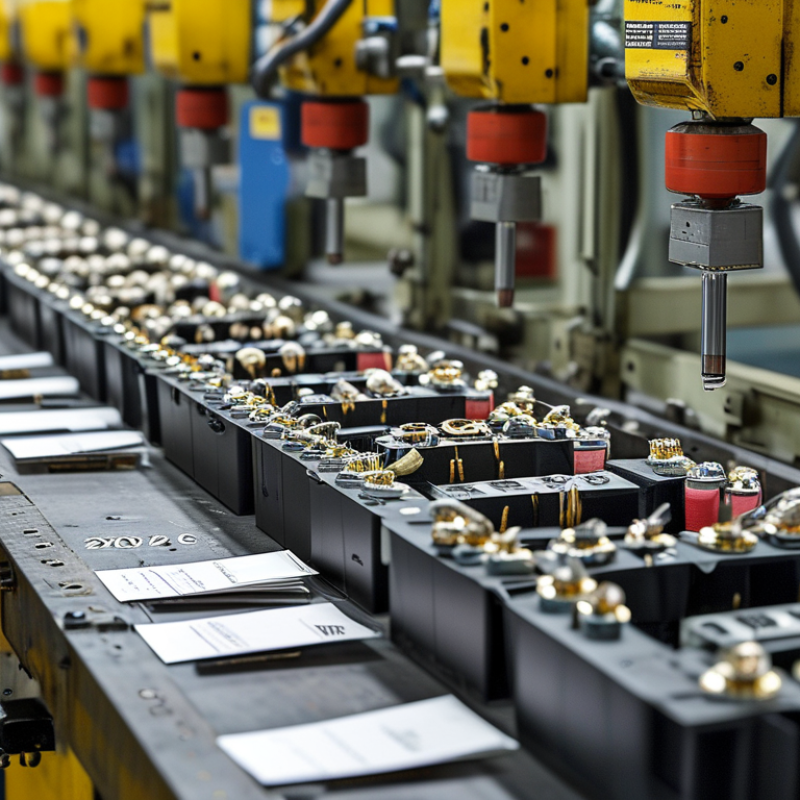
In practical manufacturing, technicians cut wires to measured lengths, remove insulation, and attach terminals with calibrated tools. They then bundle the conductors according to an approved drawing. Continuity tests, pull tests, and visual inspections help confirm reliable connections. Good assemblies reduce installation time and prevent routing mistakes. However, a neat harness is not automatically a safe harness. Tight bends, weak crimps, or unclear labels can cause failures later. I have found that simple design reviews often reveal overlooked service problems.
Tips: Define voltage, current, temperature, bend radius, and connector requirements early. Use clear wire identification. Leave enough length for maintenance, but avoid loose loops. Request inspection records and sample testing from qualified manufacturers. Check whether the design has been tested under realistic vibration and moisture conditions. Small details matter.
How to Evaluate Cable and Harness Assembly Manufacturers
How to Evaluate Cable and Harness Assembly Manufacturers
Choosing a cable and harness assembly manufacturer requires more than comparing prices. Start by examining technical experience with similar products, materials, and operating conditions. Ask for sample assemblies, inspection records, and clear explanations of crimping, soldering, shielding, and overmolding methods. A reliable manufacturer should explain tolerances without hiding behind vague promises.
Production controls matter just as much. Review how the factory manages drawings, revisions, incoming materials, operator training, and final testing. Look for continuity checks, insulation tests, pull-force testing, and visual inspection under suitable lighting. Traceability should connect each assembly to its materials, operator, equipment, and inspection results. Certifications can support credibility, but they do not replace direct evidence. A polished sample may still conceal weak process control. I have learned that small documentation gaps often become expensive problems later.
Tips: Request a pilot run before approving volume production. Compare samples against the drawing, not appearance alone. Ask how defects are recorded and corrected. Evaluate communication speed, engineering support, packaging, and delivery consistency. Pay attention to uncomfortable answers. A manufacturer that admits a limitation may be more dependable than one claiming perfection. Also, confirm that testing reflects real use, including movement, heat, moisture, vibration, or repeated bending. Quality should be measurable, repeatable, and easy to verify.
Key Capabilities of Leading Manufacturers in 2026
Leading cable and harness assembly manufacturers in 2026 offer more than cutting and crimping services. They support design reviews, material selection, prototyping, and production scaling. Skilled teams check bend radius, terminal fit, wire labeling, and connector retention before volume manufacturing. Their engineers use design-for-manufacturing methods to reduce rework and simplify installation.
Reliable manufacturers also provide controlled production environments, calibrated tools, and documented inspection procedures. Electrical tests can identify continuity failures, incorrect pin positions, and insulation damage. Traceability links each assembly to materials, operators, equipment, and test results. Clear communication matters too. A technically strong supplier should explain risks honestly, even when the design needs revision. No process is perfect.
Tips: Ask for sample inspection records, process capability data, and realistic lead times. Confirm whether the supplier can handle prototype changes without losing revision control. Visit the production area when practical. Look for labeled bins, organized workstations, and test equipment with current calibration records. Small details often reveal production discipline.
A capable partner should understand application conditions, not only drawings. Automotive, medical, industrial, and energy systems may require different insulation, shielding, temperature ratings, or routing methods. Manufacturers with experienced technicians can spot practical problems early, such as excessive strain near a connector or insufficient service length. Automation improves consistency, but human review remains valuable for unusual assemblies. Auditing suppliers periodically is wise, because earlier performance does not guarantee future reliability.
Major Applications and Industries Served
2026 Best Cable and Harness Assembly Manufacturers?
Major Applications and Industries Served
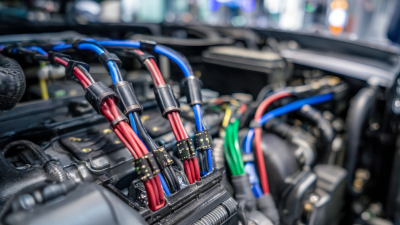
The best cable and harness assembly manufacturers support demanding applications, not just high production volumes. Electric vehicles, charging systems, solar equipment, robotics, medical devices, and aircraft all require different materials and testing methods. The IEA’s Global EV Outlook 2025 reports that global electric car sales exceeded 17 million in 2024. This growth increases demand for high-voltage cables, thermal protection, shielding, and compact harness layouts.
Data centers are another major application. The IEA’s Electricity 2024 report estimated data center electricity use at about 460 TWh in 2022, with demand potentially exceeding 1,000 TWh by 2026. Harness suppliers must therefore manage dense power distribution, signal integrity, airflow restrictions, and continuous operating temperatures. Small details matter. A poorly supported cable can vibrate, loosen, or obstruct maintenance access.
Industrial automation adds different pressure. Repeated movement requires flexible conductors, reliable strain relief, and carefully controlled bend radii. Medical and aerospace assemblies demand traceability, controlled workmanship, and documented inspection. IPC/WHMA-A-620 remains a key workmanship reference for cable and harness assemblies, although compliance alone cannot guarantee field performance. That assumption is too simple. Real reliability also depends on routing, installation skill, environmental testing, and honest communication between engineers and manufacturers. Reports from MarketsandMarkets and Grand View Research continue to show strong cable assembly growth, but market forecasts can change quickly when regulations, materials, or supply chains shift.
How to Choose the Right Manufacturer for Your Project
2026 Best Cable and Harness Assembly Manufacturers?
How to Choose the Right Manufacturer for Your Project
Choosing a cable and harness assembly manufacturer requires more than comparing unit prices. Start with technical fit. Review wire gauges, connector types, shielding, bend radius, and operating temperatures. A capable manufacturer should explain these details clearly, not hide behind general promises. Ask for drawings, sample builds, inspection records, and realistic production timelines. Experience matters when your harness includes tight routing or repeated movement.
Tips: Request a small pilot batch first. Check crimp height, pull-force results, labeling, and continuity testing. Confirm how each lot is traced from incoming materials to final inspection. Also review the manufacturer’s quality procedures, trained operators, equipment maintenance, and communication process. A responsive engineering team can prevent costly redesigns. Ask who approves design changes. That answer reveals a lot.
Do not choose based on a polished sample alone. It may not represent normal production. Compare samples from different batches and inspect them under practical conditions. Look for secure terminals, clean cuts, consistent sleeving, and accurate labels. Some suppliers promise fast delivery, but capacity may change during peak periods. Request written assumptions and update points. My own assessment can be incomplete without factory evidence. Leave room for questions, revisions, and uncomfortable findings. The right partner combines technical discipline, transparent records, stable capacity, and a willingness to admit problems early.